
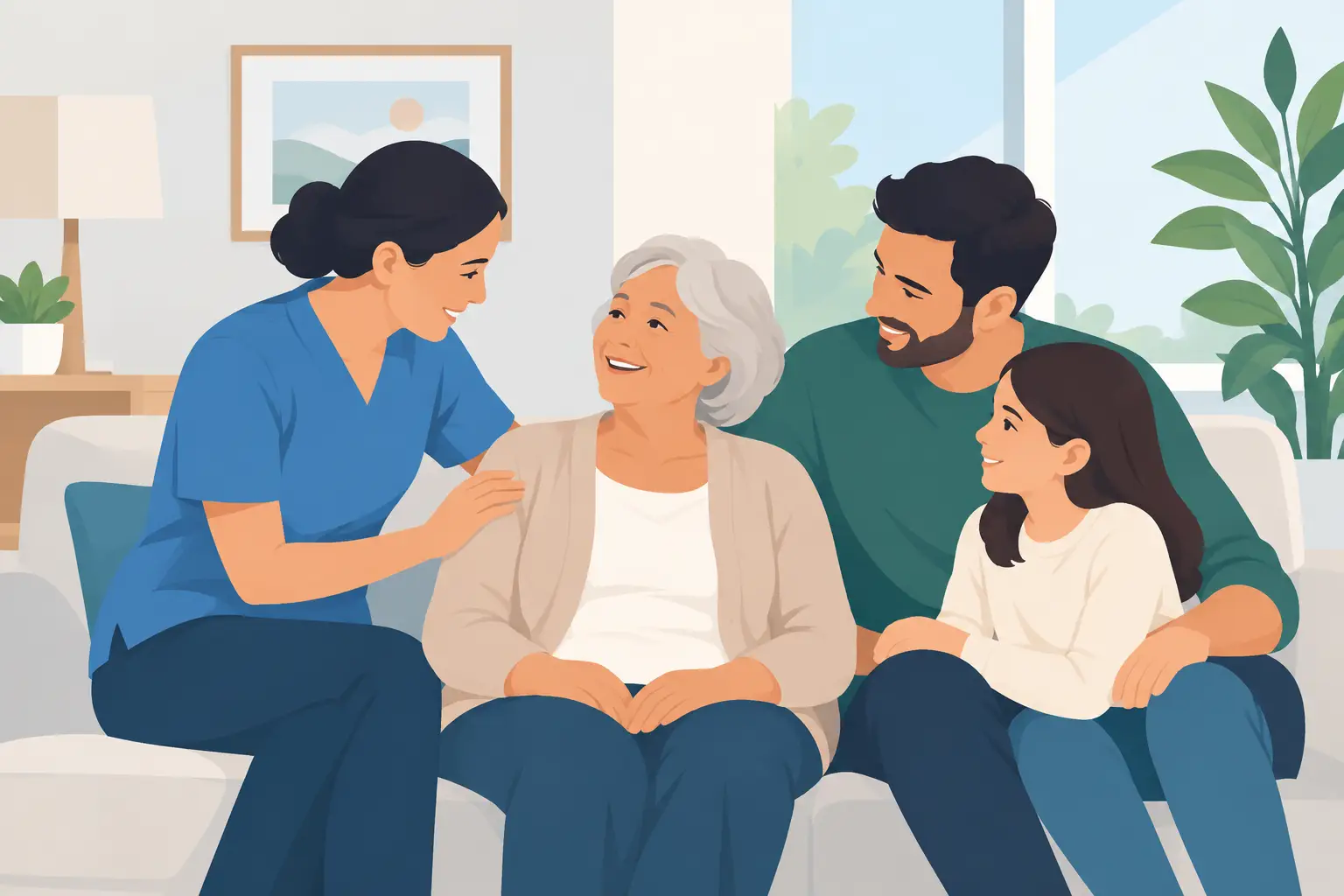
A missed shower, an empty refrigerator, or a forgotten appointment can be the first sign that a parent needs more support at home. Understanding the non medical home care meaning can help families respond with compassion before everyday challenges become a crisis. This type of care provides practical, personal assistance so a loved one can continue living safely and comfortably in the place that feels most familiar.
For many families in Dunwoody and the greater Atlanta area, the question is not whether they love their parent or spouse enough to help. It is how to provide consistent support when work, children, distance, and personal responsibilities make it difficult to be there every day. Non-medical home care offers a dependable, family-centered answer.
What Does Non Medical Home Care Mean?
Non-medical home care is hands-on support with daily living activities, delivered in a person’s home by a professional caregiver. Its purpose is to help someone maintain dignity, comfort, safety, and independence without moving into an assisted living community or nursing facility before it is truly necessary.
The care is called “non-medical” because it does not replace a physician, registered nurse, therapist, or emergency medical provider. Caregivers do not diagnose illnesses, perform medical procedures, or make clinical decisions. Instead, they assist with the routines that can become harder with age, limited mobility, memory changes, disability, or recovery from an illness or hospital stay.
That distinction matters, but it does not make the care less meaningful. A caregiver who helps a client bathe safely, prepares a nourishing meal, offers a steady arm while walking, and provides warm companionship may make the difference between a difficult day and a secure, fulfilling one.
What Non-Medical Care Can Include
Every care plan should reflect the individual, not a generic checklist. One person may need a few hours of companionship each week. Another may need daily personal care or around-the-clock supervision and support. The right level of care depends on the person’s abilities, health needs, home environment, preferences, and family support system.
Non-medical home care often includes help with personal care, such as bathing, dressing, grooming, toileting, and mobility assistance. These are sensitive tasks, and they should always be provided with patience, privacy, and respect. The goal is not to take over what a person can still do. It is to offer the right amount of assistance so they can feel clean, confident, and safe.
Caregivers can also support the household routines that make home life work. This may include meal planning and preparation, light housekeeping, laundry, grocery shopping, and errands. A balanced meal on the table and a clear path through the home can reduce stress for both the client and the family.
Medication reminders are another common service. A caregiver may remind a client that it is time to take medications and help maintain a familiar routine. However, the exact level of medication assistance depends on the care plan, the medication involved, and applicable rules. Families should be clear about what a caregiver can and cannot do, especially when a loved one has complicated medical needs.
Transportation and escort support can help clients attend appointments, visit friends, pick up prescriptions, or enjoy activities in the community. For a senior who has stopped driving, reliable transportation can preserve both independence and social connection.
Just as important, caregivers provide companionship. Conversation over coffee, a card game, a walk outside, or simply having someone present can ease loneliness. This support is especially valuable when family members live far away or cannot visit as often as they would like.
Non-Medical Home Care Versus Home Health Care
Families often use the terms home care and home health care interchangeably, but they are not the same service.
Non-medical home care focuses on everyday support and personal assistance. It is usually arranged privately through a home care agency or paid for by the client and family, depending on available benefits and coverage. The schedule can often be flexible, ranging from occasional visits to daily or 24-hour care.
Home health care is clinical care ordered by a physician and delivered by licensed medical professionals, such as nurses or therapists. It may involve wound care, injections, therapy services, medical monitoring, or other skilled treatments. Medicare and insurance may cover qualifying home health services under specific conditions.
Sometimes a loved one benefits from both. For example, a person recovering from surgery may receive short-term skilled nursing or physical therapy while also receiving non-medical assistance with bathing, meals, transportation, and household tasks. Coordinating these services can give families a more complete support system.
When Is It Time to Consider Care at Home?
There is rarely one single moment when a family knows it is time. More often, small changes add up. You may notice your loved one wearing the same clothes for several days, losing weight, missing appointments, struggling to get in and out of the shower, or withdrawing from favorite activities.
A fall or hospital visit can also bring hidden needs into view. Even when someone is medically stable enough to return home, they may not be ready to manage every part of daily life alone. Temporary home care can provide reassurance during recovery, while ongoing care can help when support needs continue.
Care is also worth considering when a family caregiver is overwhelmed. Loving someone does not mean one person must carry every responsibility alone. If caregiving is affecting your sleep, work, health, or relationship with your loved one, additional help can protect the well-being of the whole family.
How Personalized Care Protects Independence
Some older adults resist home care because they fear losing control. That concern deserves respect. The best care does not make a person feel managed. It helps them remain involved in the choices, routines, and relationships that shape their life.
A personalized plan may mean assisting with a morning shower while allowing a client to choose their own clothing. It may mean preparing favorite meals instead of imposing a new routine, or accompanying someone to the grocery store rather than shopping without them. These details protect identity and dignity.
Consistency matters, too. A familiar caregiver can learn how a client likes their coffee, what helps them feel calm, and when they prefer quiet time. Over time, that relationship can build trust and help caregivers notice meaningful changes in mood, appetite, mobility, or daily functioning that families may want to discuss with a medical provider.
At Cynthier’s Home Care, this relationship-centered approach means providing professional support while caring for each client like family – because we do it for love.
Questions to Ask Before Choosing a Home Care Provider
The right agency should make your family feel informed, not pressured. Ask how caregivers are screened, trained, supervised, and matched with clients. Find out whether the agency creates a written, customized care plan and how the plan is updated when needs change.
It is also helpful to ask about scheduling reliability, backup coverage if a caregiver cannot attend a shift, and communication with family members. If your loved one needs mobility support, memory care assistance, or overnight care, be specific about those needs from the beginning. Clear expectations help create safer, more consistent care.
Finally, include your loved one in the conversation whenever possible. Even if they need significant help, their preferences should guide the plan. Listening carefully can turn a difficult transition into a supportive partnership.
The meaning of non-medical home care is ultimately simple: compassionate help with the ordinary moments that allow someone to keep living with comfort, familiarity, and dignity. When support is tailored to the person and delivered with kindness, home can remain not just where they live, but where they feel most like themselves.





No comment