
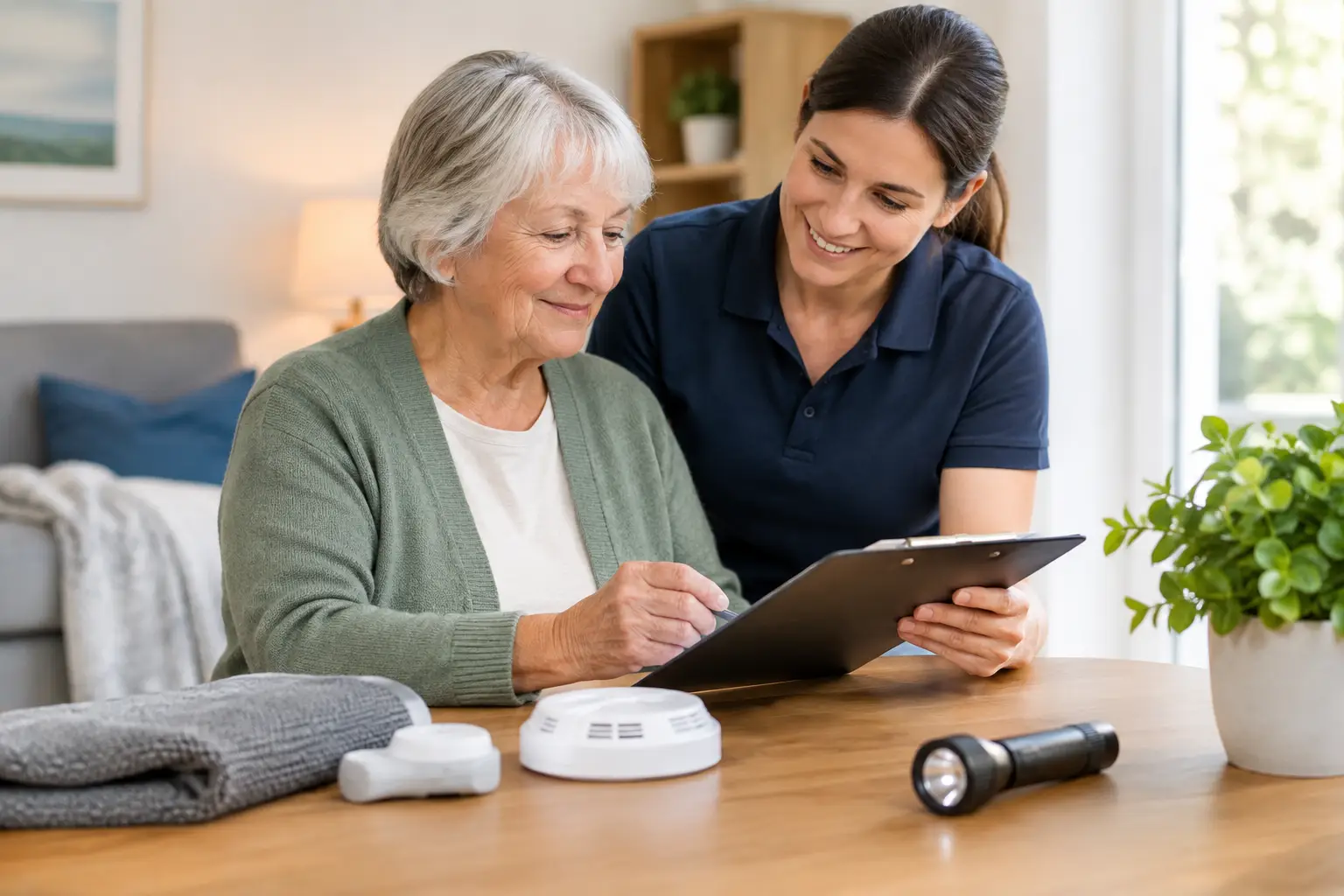
A familiar home can be a source of comfort, confidence, and cherished routines. But a loose rug, a dim hallway, or a missed medication can quickly turn an ordinary day into a frightening one. This senior home safety checklist helps families look at a loved one’s home with fresh eyes, identify practical risks, and make changes that protect both independence and dignity.
Safety planning does not mean taking control away from someone you love. The best changes are often small, respectful, and shaped around the way your family member already lives. Start with the areas they use most, then address the concerns that could cause the greatest harm first.
Start With the Biggest Daily Risks
Before buying equipment or rearranging furniture, pay attention to what happens during a typical day. Does your loved one hesitate when getting out of bed? Are they holding onto counters when walking through the kitchen? Do they avoid bathing because stepping into the tub feels unsteady? These everyday clues can reveal risks that may not be obvious during a quick visit.
Falls are a major concern, but home safety also includes nutrition, medication routines, fire prevention, personal care, and social well-being. A home can be physically organized and still feel unsafe if a senior is isolated, confused by a medication schedule, or unable to get help when needed.
Ask your loved one what feels difficult, frustrating, or worrisome. A respectful conversation often leads to better solutions than assumptions. They may welcome a grab bar near the shower but strongly prefer that a favorite chair remain in place. Their preferences matter.
Senior Home Safety Checklist: Room by Room
Entryways, stairs, and hallways
Clear walking paths are one of the simplest protections a family can provide. Shoes, mail, pet toys, cords, and small tables can become hazards when balance, vision, or mobility changes. Make sure there is a wide, uncluttered route between the bedroom, bathroom, kitchen, and front door.
Check that outdoor steps, porch areas, and pathways have secure handrails and good lighting. Replace burned-out bulbs promptly, and use bright switches that are easy to find. Motion-sensor lights can be helpful at entrances and in dark hallways, especially for seniors who get up during the night.
Remove loose throw rugs or secure them with non-slip backing. Rugs can make a room feel warm and inviting, but they are not worth the risk if they curl at the edges or slide underfoot. Stairs should have sturdy handrails, visible step edges, and nothing stored on them.
Bathrooms
The bathroom deserves close attention because water, hard surfaces, and limited space create a higher fall risk. Install grab bars near the toilet and inside the shower or tub. Towel bars are not designed to support body weight and should never be used as a substitute.
A non-slip bath mat, shower chair, handheld showerhead, and raised toilet seat may make personal care easier and more comfortable. The right setup depends on your loved one’s mobility and preferences. Someone who is steady but has arthritis may benefit from different equipment than someone recovering from a fall or living with significant weakness.
Keep frequently used toiletries within easy reach. Reaching high shelves, bending into low cabinets, or stepping over a tub wall can be difficult even for a senior who seems active and capable.
Bedrooms and living spaces
Make sure a lamp, light switch, and phone are reachable from the bed. If your loved one uses a walker, cane, or wheelchair, there should be room to move around the bed without squeezing past furniture. A bed that is too high or too low can also make standing more difficult.
In living areas, secure electrical cords along walls and remove unstable furniture. Chairs should have firm arms and a supportive seat that makes it easier to stand. Very low, soft furniture may be cozy, but it can make transfers harder and increase the chance of losing balance.
Consider whether your family member has a reliable way to call for help. A charged phone, wearable alert device, or other emergency system can offer reassurance, particularly for seniors who spend part of the day alone.
Kitchen and meals
A safe kitchen supports good nutrition as well as accident prevention. Store everyday dishes, cookware, and food at waist level whenever possible. Avoid having your loved one climb on stools or stretch for heavy items.
Check appliances, especially the stove, microwave, toaster, and coffee maker. Clearly labeled controls and automatic shutoff features can help in some situations. If memory changes are a concern, families may need to rethink unsupervised cooking rather than relying on reminders alone.
Look in the refrigerator and pantry regularly. Expired food, empty shelves, and unopened meals can be signs that shopping, meal preparation, or appetite has become harder. Simple, nourishing meals that are easy to heat can help, but regular support may be needed when cooking safely is no longer realistic.
Protect Medication Routines Without Guesswork
Medication safety is not only about keeping prescriptions in a cabinet. It is about making sure the right medication is taken at the right time, in the right amount. Gather all prescription medications, over-the-counter products, vitamins, and supplements in one place so a pharmacist or medical provider can review them when needed.
A labeled pill organizer and a written schedule can be useful for seniors who are comfortable managing their own medications. However, organizers do not solve every problem. If pills are frequently missed, duplicated, dropped, or confused, the situation calls for closer oversight and a conversation with the appropriate health care professional.
Caregivers can provide medication reminders as part of a consistent daily routine. That familiar support can reduce stress without making a loved one feel rushed or judged.
Prepare for Emergencies Before One Happens
Keep emergency contacts easy to find near the phone and saved in the senior’s mobile phone. Include close family members, doctors, pharmacy information, and trusted neighbors. Make sure house numbers are clearly visible from the street so first responders can locate the home quickly.
Review smoke alarms and carbon monoxide detectors. Test them regularly, replace batteries as recommended, and make sure alarms can be heard from bedrooms. Keep a fire extinguisher in the kitchen, but remember that evacuation is usually safer than trying to fight a growing fire.
Families should also make a simple plan for severe weather, power outages, and medical emergencies. Keep flashlights, fresh batteries, water, shelf-stable food, medications, and copies of key health information in an accessible place. If a senior relies on powered medical equipment, ask their provider about backup plans.
Notice the Changes a Checklist Cannot Capture
A checklist is valuable, but it cannot replace observation and connection. A home may look orderly while a loved one is struggling with bathing, laundry, mobility, loneliness, or transportation. Pay attention to changes such as repeated bruises, unopened mail, missed appointments, weight loss, worsening hygiene, or a reluctance to leave the house.
These signs do not automatically mean a senior must leave home. Often, they mean the current level of support needs to change. A few hours of companionship, help with meals and errands, assistance with personal care, or dependable transportation may be enough to restore a safer rhythm.
For families in Dunwoody and the greater Atlanta area, Cynthier’s Home Care can help create a care plan that respects a loved one’s habits, needs, and goals. Support can range from occasional visits to daily or around-the-clock assistance, always centered on safety, comfort, and personal dignity.
Home safety works best when it feels like care, not correction. Walk through the home together, make one meaningful improvement at a time, and keep listening. The goal is not simply to prevent a fall or avoid an emergency. It is to help the person you love continue living at home with confidence, comfort, and the reassurance that they are not alone.





No comment