

Light Housekeeping for Seniors at Home

Light Housekeeping for Seniors at Home

A stack of mail on the counter, laundry that has become too heavy to carry, or a spill that was never fully cleaned can signal more than an untidy home. For an older adult, these small changes can affect safety, confidence, and the ability to keep living comfortably at home. Light housekeeping for seniors offers practical help with everyday tasks while honoring the routines and independence that make home feel like home.

For family members, this kind of support can ease a familiar worry: whether a loved one is managing more than they are willing or able to say. A caring caregiver can help maintain a clean, calm household without taking over or making a senior feel like a guest in their own space.

What Light Housekeeping for Seniors Includes

Light housekeeping focuses on the regular household tasks that help a home stay sanitary, organized, and safer to move through. The exact duties should reflect the client’s needs, preferences, and energy level. One person may want help keeping the kitchen and bathroom fresh, while another may benefit most from laundry support and reducing clutter around frequently used rooms.

Typical light housekeeping may include washing dishes, wiping kitchen counters, sweeping or vacuuming commonly used areas, taking out trash, making beds, changing linens, dusting, and doing laundry. Caregivers may also help organize mail, put away groceries, straighten living spaces, and keep walkways clear of loose rugs, cords, boxes, or other trip hazards.

The goal is not to make a home look staged or to change a person’s standards overnight. It is to create a comfortable environment that supports daily life. A caregiver should ask how a client likes things done, where important items belong, and which rooms need the most attention.

What It Usually Does Not Include

Light housekeeping is different from a deep-cleaning or home repair service. It generally does not include heavy lifting, moving large furniture, climbing ladders, washing exterior windows, clearing severe hoarding conditions, or handling major repairs. These tasks can create safety risks for both the client and caregiver and may require a specialized professional.

Clear expectations matter. Families should discuss what help is needed before care begins, then revisit the plan as needs change. A reliable home care agency can explain the scope of service and help determine when additional resources may be appropriate.

Why a Tidy Home Can Make a Meaningful Difference

Cleanliness is often discussed as a household preference, but for many seniors it is also connected to health, mobility, and emotional well-being. A clear path from the bedroom to the bathroom can lower the risk of a fall. Fresh linens and regular laundry can improve comfort. A clean kitchen makes it easier to prepare meals safely and to notice when food has expired.

There is an emotional side, too. Many older adults have spent decades caring for their homes and families. Needing help can feel vulnerable, especially if they worry that others will judge them or push them to give up control. Respectful assistance protects dignity by allowing a senior to remain involved in decisions, even when doing every task alone is no longer practical.

For families in Dunwoody and the greater Atlanta area, housekeeping support can also bring peace of mind between visits. Instead of spending every visit catching up on chores, adult children and spouses can have more time for conversation, a shared meal, or simply being present with the person they love.

When It May Be Time to Consider Help

A home does not need to be in poor condition before support becomes worthwhile. Often, the best time to add assistance is when a senior begins avoiding tasks that were once easy or when completing them leads to pain, fatigue, or a greater risk of falling.

You may notice unopened mail piling up, laundry sitting for weeks, dishes remaining in the sink, or trash not being taken out regularly. Other signs include a refrigerator with expired food, bathrooms that are becoming difficult to maintain, or clutter building in hallways and near stairs. Sometimes the most telling change is more subtle: your loved one seems embarrassed to have visitors or says they are “fine” while clearly struggling to keep up.

These changes do not always mean a person cannot live independently. They may simply mean the right support is needed to make independence safer and more sustainable. A few hours of help each week can be enough for some households. Others may need daily support combined with meal preparation, personal care, transportation, or medication reminders.

The Best Support Feels Personal, Not Intrusive

The quality of housekeeping help depends on more than a checklist. A caregiver enters a person’s private space, which calls for patience, discretion, and genuine respect. The best care begins with listening.

A senior may prefer laundry folded a particular way, want certain rooms left untouched, or like to clean alongside the caregiver as much as possible. Those preferences matter. Participating in familiar tasks can provide a sense of purpose and control, so help should encourage what a person can safely do rather than automatically doing everything for them.

Consistency also makes a difference. When the same trusted caregiver visits regularly, they learn a client’s routines and can notice meaningful changes. They may see that a once-organized kitchen is becoming difficult to manage, that mobility has declined, or that the client is eating less. Families can then address concerns sooner rather than waiting for a crisis.

Pairing Housekeeping With Everyday Care

Household help is often most effective when it works alongside other daily living support. For example, a caregiver can prepare a simple meal, clean the kitchen afterward, and make sure food is stored safely. After assisting with laundry, they can place clean clothing where it is easy to reach. Following a ride to an appointment or grocery store, they can help put items away and clear the counter for the next meal.

This connected approach reduces the number of small burdens that can wear a senior down over time. It also gives caregivers an opportunity to provide companionship. Folding towels together, sorting mail, or tidying a favorite sitting area can become a moment of conversation and connection rather than a chore completed in silence.

At Cynthier’s Home Care, care plans are tailored around each client’s routines, needs, and goals. That means housekeeping support can be arranged as occasional help or as part of a broader plan that helps a loved one remain safe, comfortable, and cared for at home.

Questions Families Should Ask Before Arranging Care

Before choosing in-home support, families should talk openly about both practical needs and personal comfort. Ask what tasks feel difficult, which areas of the home cause the most concern, and what kind of help your loved one would welcome. It can help to start with a short list of priorities, such as laundry, kitchen cleanup, bathroom upkeep, or keeping pathways clear.

You should also ask how caregivers are screened and trained, whether care plans can be adjusted, and how the agency communicates with families. Dependability matters just as much as kindness. Families need to know that help will arrive as scheduled and that concerns will be handled with care and professionalism.

It is equally valuable to include the senior in these conversations whenever possible. Even when family members coordinate care, the person receiving support should have a voice in how their home is cared for. That simple respect can make accepting help feel less like a loss and more like a thoughtful choice.

A well-cared-for home does not have to be perfect. It needs to be safe enough to move through, comfortable enough to rest in, and welcoming enough for a loved one to continue living life on their own terms.


Companionship Services for Elderly at Home

Companionship Services for Elderly at Home

A quiet house can feel very different after a spouse passes away, driving becomes difficult, or everyday outings begin to require more effort. Companionship services for elderly at home offer more than someone to sit in the room. They provide a caring presence, familiar routines, and practical help that can make each day feel safer, more connected, and more manageable.

For many families in Dunwoody and the greater Atlanta area, the concern begins with small changes. A parent may stop attending church, avoid preparing meals, miss favorite activities, or call less often because getting out has become challenging. These changes do not always mean a loved one needs to leave home. Often, dependable companionship and a little extra daily support can help them continue living where they feel most comfortable.

What Companionship Care Looks Like at Home

Companionship care is non-medical support centered on social connection and day-to-day well-being. A caregiver gets to know the person behind the care plan: their preferred breakfast, favorite music, stories about their family, and the routines that make them feel like themselves.

A companion may share a meal, play cards, work on a puzzle, watch a favorite program, take a walk, or simply have an unhurried conversation. For an older adult who has spent long stretches of time alone, these ordinary moments can have real meaning. They bring structure to the day and remind a loved one that someone is paying attention.

The service can also include helpful tasks that make social connection possible. A caregiver may provide transportation to appointments, help with errands, accompany a client to lunch, or support participation in community activities. Light housekeeping and meal preparation can reduce the burden of chores that have become tiring or unsafe.

Companionship is not medical care, and it does not replace the work of a physician, nurse, or therapist. It can, however, work alongside medical care by helping a senior follow the routines recommended by their healthcare team, including medication reminders, regular meals, hydration, and safe mobility throughout the home.

Why Social Connection Is Part of Good Care

Loneliness can affect much more than mood. When a senior feels isolated, they may lose interest in meals, physical activity, personal appearance, hobbies, and communication with others. Family members may notice that phone calls become shorter, the home is less tidy, or their loved one seems withdrawn.

A consistent caregiver offers gentle encouragement without taking away independence. Rather than rushing in and doing everything for a client, a caring companion can invite participation: choosing ingredients for lunch, folding towels together, watering plants, or deciding where to go for an afternoon outing. These small choices protect a person’s sense of control.

Companionship can also offer meaningful reassurance for families. Adult children often carry a heavy mental list of worries: Did Mom eat today? Has Dad taken his medication? Has anyone checked on him since yesterday? A trusted caregiver provides another set of attentive eyes and ears, while respecting the client’s privacy and dignity.

When a Loved One May Benefit From Companionship Services

Families do not need to wait for a crisis before seeking help. In fact, introducing support early can make the transition feel more natural and less stressful. A loved one may benefit when they are safe at home but need more connection, encouragement, or assistance with everyday routines.

Common signs include a growing reluctance to leave the house, reduced interest in hobbies, skipped meals, frequent expressions of boredom or sadness, and difficulty keeping up with errands. A recent hospitalization, a change in mobility, grief after a loss, or the onset of memory challenges can also make regular companionship especially valuable.

It depends on the person and their circumstances. Some seniors want a companion for a few hours each week so they can enjoy outings and conversation. Others need daily support with meals, reminders, transportation, and household routines. Families managing more significant needs may choose longer visits or around-the-clock care. The right level of help should reflect the client’s abilities, preferences, and goals, not a one-size-fits-all schedule.

Choosing the Right Companion for Your Family Member

The relationship matters. A companion may become one of the most consistent people in a senior’s week, so professional skill and personal warmth both deserve careful consideration. Families should look for an agency that takes time to understand the client’s personality, needs, routines, and comfort level.

A good care plan should be specific. If your father enjoys early morning news and a homemade breakfast, that should guide the visit. If your mother values attending a weekly salon appointment or visiting a friend, transportation and scheduling should support that routine. Care should fit into a person’s life with respect, rather than asking them to reshape their life around care.

Reliability is equally important. Families need confidence that caregivers will arrive as scheduled, communicate concerns appropriately, and treat private information with confidentiality. Ask how an agency matches caregivers with clients, what training and oversight it provides, and how it handles schedule changes or a need for additional support.

It is also wise to discuss boundaries clearly. A companion can provide reminders, encouragement, meal preparation, light housekeeping, and assistance with errands, but certain tasks may require personal care support or licensed medical services. Knowing what is included prevents misunderstandings and helps the agency build a plan that truly meets the need.

Making the First Visits Feel Comfortable

Accepting help can be emotional for an older adult, especially when they have always been independent. The best introduction focuses on what companionship makes possible, not what a person can no longer do. A family might present the first visit as having someone to share lunch with, help organize a favorite recipe, or provide a ride to an appointment.

Whenever possible, involve your loved one in the decision. Ask what times of day feel best, what activities they enjoy, and whether they prefer a quiet companion or someone who enjoys conversation. Their input helps preserve dignity from the first visit onward.

Consistency usually helps trust grow. At first, a client may be reserved or uncertain about having someone new in the home. With patient, dependable visits, the caregiver learns the household rhythm and the client has time to become comfortable. There is no need to force a fast friendship. Genuine connection develops through kindness, respect, and showing up.

Companion Care Can Support the Whole Family

Family caregiving often happens alongside work, parenting, appointments, and responsibilities of everyday life. Even the most devoted relative cannot always be present for every meal, errand, or lonely afternoon. Bringing in professional support is not stepping away from a loved one. It is a way to strengthen the circle of care around them.

A companion can give family caregivers time to rest, attend to their own health, or simply be a son, daughter, spouse, or grandchild again rather than managing every task. That breathing room can make family time feel more meaningful and less consumed by worry.

At Cynthier’s Home Care, companionship is approached with the same care families would hope for from someone close to them: patient conversation, respectful assistance, dependable routines, and attention to the details that help a person feel at home. Because we do it for love, care begins with seeing each client as an individual, not a checklist.

The right companion cannot erase every challenge that comes with aging, but a caring presence can change the feel of an ordinary day. For a loved one, it may mean a warm meal, a safe ride, a shared laugh, and the reassurance that they do not have to face the day alone.

Senior Transportation to Medical Appointments

Senior Transportation to Medical Appointments

A 10:30 a.m. specialist visit can take far more than an hour from a family’s day. There is the drive across Atlanta traffic, the worry about finding the right entrance, the wait in the lobby, and the question of whether Mom or Dad will remember the instructions afterward. Senior transportation to medical appointments is not simply a ride. When it is handled with patience and care, it is practical support that helps an older adult stay connected to the care they need while preserving dignity and independence.

For many families, transportation becomes a concern gradually. A loved one may stop driving after a fall, begin avoiding unfamiliar roads, or no longer feel comfortable navigating parking decks and long walks from the car. Adult children often want to help, but work, school schedules, distance, and their own family responsibilities can make every appointment difficult to manage. Dependable assistance can ease that pressure without making a senior feel like they have lost control of their routine.

Why medical rides require more than a driver

A medical appointment can be tiring even when the visit itself is routine. Older adults may need extra time to get ready, help gathering a walker or cane, a steady arm getting in and out of the vehicle, or a reminder to bring identification, insurance information, and a medication list. Afterward, they may feel tired, anxious, or hungry, especially after a long wait or a procedure.

That is why the right support begins before the car leaves the driveway. A caring caregiver can help a client prepare at an unhurried pace, dress appropriately for the weather, and make sure essential items are ready. The goal is not to rush someone through the day. It is to provide the calm, respectful assistance that makes the appointment feel manageable.

Transportation also provides companionship. Waiting rooms can feel isolating, particularly for a senior who is already nervous about test results or meeting a new provider. Having a familiar, compassionate person nearby can offer reassurance without taking away the client’s voice. The senior remains the center of the conversation and the decision-making.

What safe senior transportation to medical appointments includes

The level of help a person needs depends on mobility, health concerns, and personal preferences. Some clients only need a reliable ride and someone to wait nearby. Others benefit from door-through-door support, mobility assistance, and help returning home safely after the visit.

A thoughtful transportation plan may include help with getting ready, a reminder about the appointment time, assistance entering and exiting the vehicle, and accompaniment to the provider’s office. A caregiver can also wait during the appointment, help the client return to the car, and make sure they are settled comfortably at home.

For families, this continuity matters. Rather than arranging one person for the ride, another person for the waiting room, and a third person to check in afterward, a consistent caregiver can support the entire experience. This can be especially meaningful for seniors living with memory changes, limited mobility, vision concerns, or anxiety in unfamiliar settings.

The difference between transportation and medical care

Non-medical transportation support is valuable, but families should understand its limits. A home care caregiver does not replace emergency medical services, ambulance transport, or clinical care. If a loved one is experiencing chest pain, sudden confusion, difficulty breathing, signs of a stroke, or another urgent medical concern, call 911.

For scheduled visits, follow-up care, therapy sessions, dental appointments, pharmacy trips, and similar needs, non-medical transportation can be an appropriate part of a personalized home care plan. If a client needs specialized wheelchair transportation or medical monitoring during transit, the family may need a provider equipped for that level of service. Asking the right questions beforehand protects everyone’s safety.

How transportation support protects independence

Giving up driving can be emotionally difficult. For many older adults, a driver’s license represents freedom, privacy, and the ability to participate in daily life without asking for help. When driving no longer feels safe, the loss can lead some seniors to postpone appointments rather than admit they need assistance.

A dependable ride changes that equation. It allows a person to continue seeing their primary care doctor, attending physical therapy, receiving vision or dental care, and keeping follow-up visits that support long-term health. It can also make it easier to stop at the pharmacy, pick up a few groceries, or enjoy a meal after an appointment when time and energy allow.

Independence does not mean doing every task alone. Often, it means having the right support to keep making choices, maintaining familiar routines, and remaining in the comfort of home. Transportation is one of the practical services that can make that possible.

Questions families should ask before arranging rides

Before choosing transportation support, talk openly with your loved one about what feels comfortable. Some seniors welcome help right away; others may worry that accepting a ride means giving up too much. Framing the conversation around safety, confidence, and choice can help. Instead of saying, “You cannot drive anymore,” try, “Let’s make appointments easier and less stressful for you.”

It also helps to clarify what is needed on appointment days. Consider whether your loved one needs assistance on stairs, uses a mobility device, has difficulty hearing directions, or becomes fatigued after walking. Think about whether the caregiver should stay at the office or return at a specific time, and whether the family wants an update once the client is safely home.

Ask how transportation is coordinated, whether caregivers are trained to assist with safe mobility, and what happens if an appointment runs late. Reliability is more than arriving on time. It includes allowing enough time for an older adult to move at a comfortable pace and responding calmly when a day does not go exactly as planned.

Making the appointment day easier

Small preparations can reduce stress for everyone. Schedule appointments, when possible, at a time of day when your loved one has the most energy. Place insurance cards, a current medication list, glasses, hearing aids, and paperwork in one easy-to-find location the night before. Comfortable clothing and supportive shoes can make transfers and walking safer.

It is also wise to plan for the return home. A client may need a simple meal prepared, medication reminders at the usual time, or a quiet period to rest after an appointment. If new instructions are provided, families can decide how those details will be shared while respecting the client’s privacy and preferences.

At Cynthier’s Home Care, transportation is approached as part of the whole person’s day, not as a quick trip from one address to another. Customized support can include the everyday details that help clients feel prepared, respected, and cared for like family.

When ongoing transportation becomes part of the care plan

One missed appointment may be an inconvenience. Repeatedly postponed care can become a larger concern, particularly for someone managing chronic conditions, rehabilitation, or changing health needs. If transportation challenges are becoming frequent, a regular home care schedule may provide more consistency than solving each ride at the last minute.

This does not always mean daily care. One client may need help twice a week for therapy and errands, while another may need a caregiver available for several medical visits in a month. The right schedule depends on the person’s routines, mobility, family availability, and goals. Flexible help can relieve family stress while allowing loved ones to spend their time together as family, rather than only as drivers and coordinators.

A caring ride to an appointment can be a quiet but meaningful expression of support: someone arrives on time, walks beside your loved one, waits patiently, and helps them return home safely. That kind of dependable presence can make it easier to keep the next appointment, and to keep living life on their own terms.
Meal Preparation for Elderly Adults at Home

Meal Preparation for Elderly Adults at Home

A refrigerator can tell a family a great deal. It may be full of expired items, nearly empty because shopping feels overwhelming, or stocked with foods that are difficult to chew, prepare, or safely reheat. These small signs often mean an older loved one could benefit from meal preparation for elderly adults at home – not because they have lost all independence, but because daily meals have become harder than they should be.

A nourishing meal is more than something to eat. It can bring comfort, support energy, help maintain a familiar routine, and create a meaningful moment of companionship. Thoughtful support allows seniors to continue enjoying the foods they know and love while giving family members greater peace of mind.

Why meal preparation becomes more difficult with age

Cooking requires many small tasks that are easy to overlook until they become challenging. Planning meals, reading labels, standing at the counter, opening containers, lifting pots, remembering ingredients, and cleaning up afterward can take considerable energy. Arthritis, reduced vision, balance concerns, fatigue, limited mobility, or memory changes can make one or several of these steps unsafe.

Appetite may change as well. Some older adults skip meals because cooking for one feels like too much effort. Others rely on packaged foods because they are convenient, even when those choices do not fit their dietary needs. Grief, loneliness, depression, and changes in taste can also affect how much a person eats.

The right response is not to take control away. It is to provide the level of help that fits the person. One senior may simply need groceries organized and a few meals prepared for the week. Another may benefit from daily help with breakfast, lunch, dinner, and cleanup. A personalized approach protects both safety and dignity.

Meal preparation for elderly adults should be personal

There is no single “senior menu.” A meal plan should begin with the individual: their favorite foods, cultural traditions, daily schedule, appetite, chewing ability, allergies, and any instructions from their medical provider. A person who has always started the morning with oatmeal and fruit may feel more at ease continuing that routine than being handed an unfamiliar breakfast.

Caregivers can make familiar meals easier to manage without making them feel clinical. For example, vegetables can be cooked until tender, meats can be served in smaller, easier-to-chew portions, and soups or casseroles can be prepared in sensible portions for later meals. If a loved one has diabetes, heart concerns, swallowing difficulties, kidney disease, or another condition that affects diet, families should follow the guidance of their physician or dietitian. Non-medical caregivers can support the established plan, but they do not replace medical nutrition advice.

Personalization also means respecting preferences. Some people enjoy cooking alongside a caregiver and only need a steady hand nearby. Others prefer to sit and visit while a meal is prepared. Both choices are valid. Support should feel reassuring, never rushed or controlling.

Balance nutrition with what your loved one will actually eat

A perfectly planned meal does little good if it goes untouched. Aim for meals that offer protein, fiber-rich foods, fruits or vegetables, and satisfying flavors, while staying realistic about appetite and preferences. Smaller meals and nourishing snacks may work better than three large plates for someone who tires easily or has a limited appetite.

Simple options can be especially helpful: scrambled eggs with soft fruit, chicken and vegetable soup, baked fish with rice, yogurt with berries, beans with tender vegetables, or a familiar casserole portioned for another day. The best choices depend on the person’s needs, dietary guidance, and comfort with particular foods.

Hydration deserves the same attention. Older adults may not always feel thirsty, and dehydration can contribute to weakness, dizziness, confusion, or constipation. Offering water, milk, herbal tea, broth, or other appropriate beverages throughout the day can become a gentle part of the meal routine.

Safety matters before, during, and after cooking

For families, concerns about cooking are often tied to safety. A forgotten burner, a heavy pan, a slippery floor, or food left out too long can turn an ordinary task into a serious risk. Meal support should reduce those risks while keeping the kitchen functional and comfortable.

A caregiver can assist with grocery organization, ingredient preparation, cooking, serving, storing leftovers, and light cleanup. This can reduce clutter and limit the need for a senior to reach high shelves, carry hot dishes, or stand for long periods. It also helps ensure food is dated, refrigerated promptly, and reheated safely.

Kitchen changes may help, too. Keep frequently used items within easy reach, use stable chairs only for sitting rather than reaching, make sure walkways are clear, and check that smoke detectors are working. If a loved one has memory concerns, relying on unsupervised stovetop cooking may no longer be the safest option. That can be an emotional adjustment, but it is often possible to preserve favorite routines through supervised cooking or prepared meals.

A dependable routine can ease family stress

When meals are unpredictable, families often carry a quiet worry: Did Mom eat today? Is Dad relying on crackers again? Does the food in the refrigerator still look safe? These questions can be especially difficult for adult children who are balancing work, children, and their own households.

A regular caregiving schedule creates consistency. A caregiver may prepare a fresh meal during a visit, portion food for later, help make a grocery list, or accompany a client while shopping. The schedule can be adjusted as needs change, from occasional assistance after an illness to daily meal support or more extensive care.

Just as valuable, mealtime can provide social connection. Sharing conversation while vegetables are chopped or sitting together during lunch can make eating feel less like another task to get through. Companionship may encourage a loved one to eat more regularly and gives families confidence that someone caring and attentive is present.

How families can make meal support work well

Clear communication makes meal preparation more successful. Start by writing down favorite meals, foods to avoid, allergies, dietary instructions, preferred grocery stores, and usual meal times. Include practical details, such as whether leftovers are welcome, how food should be stored, and which kitchen tools are safe and easy to use.

It also helps to watch for changes over time. A once-enthusiastic eater who suddenly avoids meals, loses weight, struggles to swallow, becomes confused, or frequently leaves food untouched may need a conversation with a healthcare professional. Changes in eating can be connected to medication effects, dental concerns, illness, mood changes, or other health issues that deserve attention.

Families do not have to manage every concern alone. At Cynthier’s Home Care, meal preparation is part of a customized in-home care plan designed around each client’s routines, preferences, and level of independence. Care is provided with the same patience and respect families want for the people they love.

When it may be time for added help

Sometimes the need for meal assistance is obvious after a fall, hospitalization, or diagnosis. More often, it builds gradually. A senior may stop using the stove, lose interest in grocery shopping, have more spoiled food in the refrigerator, or seem increasingly tired after preparing a simple meal.

Added support does not have to mean a major loss of freedom. For many people, it is exactly what helps them remain safely in the home they cherish. A caring hand with meals can conserve energy for visiting friends, enjoying hobbies, spending time with grandchildren, or simply resting comfortably in familiar surroundings.

The most meaningful meal support begins with a simple question asked with kindness: “What would make eating well feel easier for you?” Listening carefully to the answer can help a loved one feel seen, respected, and cared for – like family.

Medication Reminders for Elderly Adults at Home

Medication Reminders for Elderly Adults at Home

A missed pill can seem small until it is not. For an older adult managing blood pressure, diabetes, pain, memory changes, or several prescriptions at once, a medication routine can affect how steady, comfortable, and confident each day feels. Medication reminders for elderly adults are not simply about keeping a schedule. They are a practical way to support safety while helping a loved one remain in the home and routine they know.

For families, this need often becomes clear gradually. You may notice unopened bottles, uncertainty about whether a dose was taken, refills running low, or a loved one who feels overwhelmed by a crowded pill organizer. These moments deserve attention without blame. The goal is to add the right level of support while protecting independence, privacy, and dignity.

Why medication routines become harder with age

Medication schedules can become complicated for reasons that have nothing to do with a person’s intelligence or commitment. Vision changes may make labels difficult to read. Arthritis or tremors can make small containers harder to open. A changing sleep pattern can disrupt a morning or evening routine. Memory loss, depression, illness, or a recent hospital stay may also make it harder to keep track of doses.

The challenge grows when prescriptions come from more than one provider. A senior may take medications at different times, with food, or only as needed. Similar-looking bottles and changes in dosage can create understandable confusion. Even a person who has managed medications independently for years may need occasional help after a health change.

Families sometimes worry that accepting support means taking control away from their loved one. Thoughtful assistance should do the opposite. A good routine makes it easier for the older adult to participate, make choices, and continue familiar habits with confidence.

Medication reminders for elderly adults: what support can include

Medication reminders are a non-medical service. A caregiver can provide a timely, calm prompt, bring water or a snack if appropriate, and stay nearby while the client takes medication as directed by the client, family, or medical professional. They can also help maintain a consistent daily rhythm by connecting the reminder to regular activities such as breakfast, an afternoon cup of tea, or bedtime.

The specific boundaries matter. Non-medical caregivers do not diagnose conditions, decide whether a medication should be taken, change a dosage, administer medications outside their permitted scope, or offer medical advice. Questions about side effects, missed doses, interactions, or new symptoms should be directed to a physician, pharmacist, or other qualified healthcare professional.

Within those boundaries, dependable reminders can make a meaningful difference. A caregiver may notice that a medication supply is getting low and alert the family according to the care plan. They may document that a reminder was provided, which can help families see patterns and communicate more clearly. If a client expresses confusion or declines a medication, the caregiver can follow the established plan and notify the appropriate family member or supervisor.

Build a routine around the person, not just the prescription

The most effective medication routine is one a senior can realistically follow. Start with the times of day that already feel natural. Someone who gets up early may prefer a breakfast reminder, while another person may need a gentle prompt after sleeping later. Linking medications to a stable daily habit is often more helpful than relying on memory alone.

Keep the medication area organized and easy to access, but not so visible that it compromises privacy or safety. Good lighting, readable labels, and one designated location can reduce frustration. A weekly pill organizer may help some people, but it is not the right solution for every medication or every household. Ask a pharmacist before using one, especially when medications have special storage instructions, are taken as needed, or come in packaging that should not be changed.

It also helps to maintain one current medication list. Include the medication name, dosage, timing, prescribing provider, and pharmacy information. Bring this list to medical appointments and update it whenever a prescription changes. Families should avoid assuming an old list is still accurate after a hospital visit or a new diagnosis.

Choose reminders that match the level of need

A simple alarm, phone notification, calendar, or written checklist may be enough for a senior who only needs an occasional nudge. These tools work best when the person is comfortable using them and can respond consistently. Technology can be useful, but a device cannot always tell whether a person is feeling confused, unwell, lonely, or unable to open a bottle.

For someone with memory concerns, mobility limitations, or a more complex schedule, a personal reminder from a trusted caregiver may offer greater reassurance. The caregiver can arrive at a familiar time, provide companionship, and notice everyday changes that an alarm would miss. This can be especially valuable for adult children who live across town, work full-time, or are balancing care with children and other responsibilities.

The right choice depends on the person. Some seniors value the independence of using a reminder system on their own, while others feel safer with a friendly, dependable presence. Needs can also change. A plan that works after a short-term recovery may need to be adjusted as health or memory changes over time.

Make family communication clear and kind

Medication concerns can bring up strong emotions. An aging parent may feel embarrassed, defensive, or afraid that family members will use a missed dose as a reason to limit independence. Beginning the conversation with respect can make a real difference.

Rather than saying, “You cannot manage this anymore,” try focusing on what would make the day easier: “Would it help to have someone check in around lunchtime so you do not have to worry about remembering?” This approach recognizes the person’s preferences and invites them into the decision.

Families should also decide who will handle prescription refills, appointment updates, and communication with providers. When several relatives are helping, unclear roles can lead to duplicate efforts or missed information. A shared written plan, with the senior’s consent, reduces confusion and keeps everyone focused on the same goal: safe, respectful support.

Watch for signs the plan needs to change

A few missed reminders do not always mean a person needs extensive care. Still, recurring concerns should not be ignored. It may be time to reassess the routine if you notice repeated missed or doubled doses, unopened prescriptions, sudden difficulty following instructions, frequent dizziness, falls, changes in appetite, or increased confusion.

A pharmacist can review medications and answer questions about timing, storage, and possible interactions. A physician should evaluate new symptoms or concerns about a medication’s effects. If daily routines are becoming difficult more broadly, in-home care may provide a helpful layer of support that reaches beyond medication reminders to include meal preparation, personal care, transportation, light housekeeping, and companionship.

At Cynthier’s Home Care, medication reminders are part of a customized approach to daily living support. Caregivers provide dependable prompts with patience and respect, while families gain greater peace of mind knowing their loved one is not facing complicated routines alone.

The best medication plan is not the most complicated one. It is the one that helps your loved one feel secure, heard, and capable in their own home, with caring support close by when it is needed.

Safe In Home Bathing Assistance for Seniors

Safe In-Home Bathing Assistance for Seniors

A shower that once took 20 minutes can become the most stressful part of a senior’s day. A slippery bathroom floor, a stiff knee, dizziness when standing, or simple fear of falling can turn a familiar routine into a source of worry for the entire family. In-home bathing assistance for seniors provides practical help with this personal task while protecting the comfort, privacy, and dignity that matter so much.

For many older adults, accepting help with bathing is not easy. It can feel like a loss of independence, especially for someone who has managed personal care alone for decades. The right support is never rushed or impersonal. It is patient, respectful, and shaped around the individual’s preferences, routines, mobility, and comfort level.

Why Bathing Becomes Harder With Age

Bathing requires more physical ability than many people realize. A person may need to step over a tub wall, stand on a wet surface, reach for soap or shampoo, bend to wash lower legs and feet, and dry off before getting dressed. Arthritis, weakness, limited range of motion, poor balance, vision changes, Parkinson’s disease, dementia, or recovery from an illness can make one or more of these steps difficult.

Falls are a serious concern, but they are not the only reason families seek help. Some seniors begin avoiding bathing because it is exhausting, painful, or embarrassing to ask a relative for assistance. Others may forget whether they have bathed, wear the same clothing repeatedly, or struggle to manage hair and skin care. These changes can affect health, confidence, and social connection.

A family member may notice subtle signs first: damp towels left untouched for days, unexplained body odor, increased reluctance to leave the house, or a loved one saying they are “fine” while looking unsteady in the bathroom. These moments do not mean a senior has failed at independence. They often mean a little thoughtful support could make daily life safer and more manageable.

What In-Home Bathing Assistance for Seniors Includes

Personal care support should be customized, not assumed. One person may only need someone nearby while stepping into the shower. Another may need hands-on help with washing, drying, grooming, dressing, and safe transfers. The goal is to provide only the assistance needed, while encouraging the person to do what they can comfortably do for themselves.

A caregiver may help prepare the bathroom, lay out clean clothes and toiletries, check that the room is warm, and make sure a stable chair, grab bar, or nonslip surface is available. During bathing, they can offer steadying support, help wash hard-to-reach areas, rinse shampoo, dry skin carefully, and assist with applying lotion or deodorant if requested.

The service can also include grooming tasks that help a loved one feel put together and like themselves. This may involve hair care, shaving assistance when appropriate, oral care reminders, nail care coordination, or choosing comfortable clothing. These details may seem small, but they can make a meaningful difference in how a person feels each day.

Professional caregivers understand that personal care involves trust. They should explain what they are doing, ask permission before providing hands-on help, preserve modesty with towels or robes, and respect the client’s preferred routines. Some seniors prefer a morning shower; others feel more comfortable with an evening bath or a sponge bath on days when a full shower is too tiring. Care should fit the person, not the other way around.

Safety Matters, but So Does Dignity

It is tempting to focus only on fall prevention, and bathroom safety is essential. Yet bathing support works best when safety and dignity are treated as equal priorities. A senior who feels embarrassed, rushed, or controlled may resist care, even when they genuinely need it.

A calm caregiver can make the experience less intimidating by moving at a comfortable pace and offering choices along the way. Would you like to wash your face yourself? Would you prefer your blue towel or the white one? Would you like help getting dressed now, or would you like a few minutes to rest? These simple questions preserve a sense of control.

Privacy is equally important for families. Adult children often want to help but may find intimate care difficult for both themselves and their parent. Bringing in a trusted caregiver can relieve that strain. It allows the family member to return to being a daughter, son, spouse, or loved one rather than carrying every caregiving responsibility alone.

When a Shower Is Not the Best Choice

A full shower is not always necessary or advisable every day. Skin can become dry and fragile with age, and some seniors tire easily after standing or transferring. Depending on a person’s health, preferences, and physician guidance, a partial bath, seated shower, or bed bath may be the more comfortable option.

This is where personalized care matters. A senior recovering from surgery may have specific bathing restrictions. Someone living with dementia may become anxious around running water or unfamiliar steps in the routine. A person with limited mobility may need equipment or a different approach to reduce strain. Caregivers can adapt the routine while families remain attentive to changes that should be discussed with a medical professional.

Non-medical home care does not replace nursing or medical treatment. If a caregiver or family member notices a new rash, open area of skin, sudden weakness, confusion, pain, or a major decline in mobility, the appropriate next step is to contact the senior’s health care provider. Thoughtful personal care includes knowing when a concern needs medical attention.

Creating a Bathroom Routine That Feels Familiar

Consistency can make bathing easier, especially for seniors who feel anxious about changes or live with memory loss. Keeping favorite soap, shampoo, towels, and clothing within reach can provide comfort. Playing familiar music, using a preferred scent, or following the same order of steps can help the routine feel less clinical.

The bathroom itself should support safe movement. Good lighting, a clear path, nonslip mats that stay secure, a shower chair, and properly installed grab bars may reduce risks. Loose rugs, clutter, unstable towel racks, and stepping over a high tub wall can create hazards. Families do not need to make every change at once, but addressing the most immediate risks can bring welcome peace of mind.

It also helps to plan bathing for the time of day when a loved one has the most energy. Some people are steadier in the morning, while others need time to loosen stiff joints before attempting a shower. There is no single schedule that works for every household.

Choosing Support Families Can Trust

When considering personal care, families should look beyond whether someone can complete the task. They should ask whether the caregiver will be dependable, respectful, trained, and willing to follow a customized plan. The relationship matters because bathing assistance is personal, and trust grows through consistency, kindness, and clear communication.

A good care plan considers mobility needs, preferred bathing times, modesty concerns, favorite products, cultural preferences, and how much help the senior wants. It should also allow room to change. A loved one who initially needs assistance twice a week may later benefit from daily support, or may only need occasional help after a temporary illness.

At Cynthier’s Home Care, personal care is approached like family care: with patience, professionalism, and love. Families in Dunwoody and the greater Atlanta area can arrange support that respects a loved one’s routine while helping them remain safe and comfortable at home.

The best time to ask for help is often before a fall, a painful struggle, or a crisis forces the decision. A caring hand, a steady presence, and a familiar routine can help a senior begin the day feeling clean, confident, and still very much at home.

How to Choose a Home Care Agency With Confidence

How to Choose a Home Care Agency With Confidence

A missed shower, an unopened refrigerator, or a medication reminder that slips through the cracks can change the conversation quickly. What begins as an occasional concern may become a daily worry for families trying to balance work, children, distance, and their loved one’s wish to remain at home. Knowing how to choose a home care agency can bring clarity to a decision that often feels deeply personal.

The right agency does more than send someone to the house. It creates a dependable support system around the person you love, helping them stay safe, comfortable, and connected to the routines that make home feel like home.

Start With Your Loved One’s Daily Needs

Before comparing agencies, take an honest look at where support is needed now and what may be needed in the months ahead. A loved one may be mostly independent but need companionship, transportation, meal preparation, or help keeping up with errands. Another person may need regular assistance with bathing, dressing, mobility, toileting, or medication reminders.

Try to focus on real moments in the day. Is getting in and out of bed becoming difficult? Are meals skipped because cooking feels overwhelming? Has loneliness made someone withdraw from friends, hobbies, or family calls? Are there concerns about falls, driving, or a home that is no longer easy to manage?

A quality home care agency should listen carefully before recommending a schedule. Care may begin with a few weekly visits, daily assistance, overnight support, or around-the-clock care. The best fit depends on your loved one’s abilities, preferences, safety needs, and family support system, not on a one-size-fits-all package.

How to Choose a Home Care Agency That Feels Right

Compassion matters, but it should be supported by clear professional standards. When you speak with an agency, notice whether the team asks thoughtful questions about your loved one as a person. Their favorite meals, preferred morning routine, mobility challenges, cultural preferences, and desire for privacy all belong in a care conversation.

You should also understand exactly what the agency can provide. Non-medical home care commonly includes personal care, companionship, light housekeeping, meal preparation, transportation, errands, and medication reminders. If your loved one requires skilled nursing, wound care, injections, or clinical therapy, ask whether the agency provides those services or can help you coordinate with an appropriate medical provider.

A good agency is direct about its scope of care. That honesty protects your loved one and prevents misunderstandings after services begin.

Ask How Caregivers Are Selected and Supervised

The caregiver relationship is at the heart of home care. A trained caregiver may help with daily tasks, but they are also a familiar presence during vulnerable moments. Ask how the agency recruits, screens, trains, and evaluates caregivers.

Background checks, reference checks, orientation, and ongoing training are reasonable expectations. You may also want to ask whether caregivers receive training related to mobility assistance, fall prevention, dementia support, infection control, personal care, and emergency procedures. The exact training needed depends on your loved one’s situation, but an agency should be able to explain its standards without vague answers.

It is equally important to ask who supervises care and how concerns are handled. If a caregiver is not the right personality fit, can the agency make a change? If a caregiver is sick or unavailable, what is the backup plan? Reliable coverage is not a small detail. For families depending on scheduled care, it is part of peace of mind.

Look for a Customized Care Plan

A written care plan gives everyone a shared understanding of what support will be provided. It should describe the schedule, services, safety considerations, routines, and goals for care. It should also be reviewed when needs change.

Personalized care is especially valuable because independence looks different for every person. One client may want help preparing breakfast but prefer to choose their own clothes and manage their own phone calls. Another may need hands-on assistance with personal hygiene while still wanting to attend church, visit friends, or take a regular trip to the salon.

The goal is not to take over. It is to provide the right amount of help so your loved one can continue living with dignity and confidence.

Ask Clear Questions Before You Commit

You do not need to know every home care term before making calls. A dependable agency should make the process easier, not more confusing. As you compare options, ask questions that reveal how the agency operates when everyday life does not go exactly as planned.

Consider asking:

  • What services can you provide, and what services are outside your scope of care?
  • How do you assess a new client’s needs and create a care plan?
  • How are caregivers screened, trained, matched, and supervised?
  • What happens if a regular caregiver cannot make a scheduled shift?
  • Who can our family contact after hours if an issue arises?
  • How do you communicate changes, concerns, or observations with family members?
  • What are the rates, minimum visit requirements, cancellation policies, and payment options?

Listen for specifics. An agency that can explain its process clearly is more likely to give your family the dependable communication you need once care begins.

Pay Attention to Communication and Family Involvement

Home care works best when the client, family, caregivers, and agency stay connected. Some older adults want an adult child involved in every update. Others value privacy and want to remain the primary decision-maker. Both preferences deserve respect.

Ask how the agency documents care and shares relevant updates. Families should know how to reach someone with questions, how urgent concerns are escalated, and how changes in condition are communicated. At the same time, professional caregivers should protect confidential information and honor the client’s independence whenever possible.

Good communication is not just frequent communication. It is timely, respectful, and focused on what the family needs to know to make informed decisions.

Consider Compatibility, Not Just Credentials

Credentials and reliability are essential, but personality matters too. A caregiver may be highly qualified and still not be the best match for someone who values quiet conversation, enjoys a particular hobby, speaks another language, or feels more comfortable with a caregiver of a certain gender.

Talk openly about preferences from the beginning. There is no need to apologize for wanting someone who treats your loved one with patience and warmth. Care is personal. A compatible caregiver can make it easier for a reluctant parent or spouse to accept help and can turn a difficult transition into a reassuring routine.

If your loved one is living with dementia, anxiety, or grief, consistency may matter even more. Seeing familiar faces can reduce confusion and help build trust over time. Still, flexibility matters too. The agency should have a thoughtful plan for coverage when a regular caregiver is unavailable.

Understand Cost Without Losing Sight of Value

Cost is a practical and necessary part of choosing care. Request a clear explanation of hourly rates, minimum shift lengths, holiday rates, overnight arrangements, and any additional fees. Ask whether services can be adjusted as needs change so you are not paying for more care than is necessary.

The least expensive option is not always the best value. An agency with careful caregiver screening, responsive supervision, dependable scheduling, and customized planning may prevent costly disruptions later. On the other hand, a family with limited needs may find that a smaller number of weekly hours provides the right balance of support and affordability.

If several relatives are involved, discuss the budget and care priorities early. Clear family conversations can reduce stress and help everyone focus on the same goal: keeping your loved one safe, respected, and as independent as possible.

Trust What You See and Hear

During your first conversation, pay attention to the experience itself. Were your questions welcomed? Did the agency speak respectfully about older adults? Did they make promises they could explain, or did they rush toward a sale?

Trust is built through small signs of care: listening without interrupting, explaining options in plain language, being transparent about limitations, and treating your family’s concerns as valid. For families in Dunwoody and greater Atlanta, Cynthier’s Home Care believes dependable care should feel professional, personal, and rooted in love.

Choosing help at home can bring mixed emotions, even when you know it is the right step. Give yourself permission to ask questions, involve your loved one in the decision, and choose an agency that sees more than a list of tasks. The right care can give your family room to breathe while helping the person you love continue to feel safe, valued, and at home.

What Non Medical Home Care Means for Families

What Non Medical Home Care Means for Families

A missed shower, an empty refrigerator, or a forgotten appointment can be the first sign that a parent needs more support at home. Understanding the non medical home care meaning can help families respond with compassion before everyday challenges become a crisis. This type of care provides practical, personal assistance so a loved one can continue living safely and comfortably in the place that feels most familiar.

For many families in Dunwoody and the greater Atlanta area, the question is not whether they love their parent or spouse enough to help. It is how to provide consistent support when work, children, distance, and personal responsibilities make it difficult to be there every day. Non-medical home care offers a dependable, family-centered answer.

What Does Non Medical Home Care Mean?

Non-medical home care is hands-on support with daily living activities, delivered in a person’s home by a professional caregiver. Its purpose is to help someone maintain dignity, comfort, safety, and independence without moving into an assisted living community or nursing facility before it is truly necessary.

The care is called “non-medical” because it does not replace a physician, registered nurse, therapist, or emergency medical provider. Caregivers do not diagnose illnesses, perform medical procedures, or make clinical decisions. Instead, they assist with the routines that can become harder with age, limited mobility, memory changes, disability, or recovery from an illness or hospital stay.

That distinction matters, but it does not make the care less meaningful. A caregiver who helps a client bathe safely, prepares a nourishing meal, offers a steady arm while walking, and provides warm companionship may make the difference between a difficult day and a secure, fulfilling one.

What Non-Medical Care Can Include

Every care plan should reflect the individual, not a generic checklist. One person may need a few hours of companionship each week. Another may need daily personal care or around-the-clock supervision and support. The right level of care depends on the person’s abilities, health needs, home environment, preferences, and family support system.

Non-medical home care often includes help with personal care, such as bathing, dressing, grooming, toileting, and mobility assistance. These are sensitive tasks, and they should always be provided with patience, privacy, and respect. The goal is not to take over what a person can still do. It is to offer the right amount of assistance so they can feel clean, confident, and safe.

Caregivers can also support the household routines that make home life work. This may include meal planning and preparation, light housekeeping, laundry, grocery shopping, and errands. A balanced meal on the table and a clear path through the home can reduce stress for both the client and the family.

Medication reminders are another common service. A caregiver may remind a client that it is time to take medications and help maintain a familiar routine. However, the exact level of medication assistance depends on the care plan, the medication involved, and applicable rules. Families should be clear about what a caregiver can and cannot do, especially when a loved one has complicated medical needs.

Transportation and escort support can help clients attend appointments, visit friends, pick up prescriptions, or enjoy activities in the community. For a senior who has stopped driving, reliable transportation can preserve both independence and social connection.

Just as important, caregivers provide companionship. Conversation over coffee, a card game, a walk outside, or simply having someone present can ease loneliness. This support is especially valuable when family members live far away or cannot visit as often as they would like.

Non-Medical Home Care Versus Home Health Care

Families often use the terms home care and home health care interchangeably, but they are not the same service.

Non-medical home care focuses on everyday support and personal assistance. It is usually arranged privately through a home care agency or paid for by the client and family, depending on available benefits and coverage. The schedule can often be flexible, ranging from occasional visits to daily or 24-hour care.

Home health care is clinical care ordered by a physician and delivered by licensed medical professionals, such as nurses or therapists. It may involve wound care, injections, therapy services, medical monitoring, or other skilled treatments. Medicare and insurance may cover qualifying home health services under specific conditions.

Sometimes a loved one benefits from both. For example, a person recovering from surgery may receive short-term skilled nursing or physical therapy while also receiving non-medical assistance with bathing, meals, transportation, and household tasks. Coordinating these services can give families a more complete support system.

When Is It Time to Consider Care at Home?

There is rarely one single moment when a family knows it is time. More often, small changes add up. You may notice your loved one wearing the same clothes for several days, losing weight, missing appointments, struggling to get in and out of the shower, or withdrawing from favorite activities.

A fall or hospital visit can also bring hidden needs into view. Even when someone is medically stable enough to return home, they may not be ready to manage every part of daily life alone. Temporary home care can provide reassurance during recovery, while ongoing care can help when support needs continue.

Care is also worth considering when a family caregiver is overwhelmed. Loving someone does not mean one person must carry every responsibility alone. If caregiving is affecting your sleep, work, health, or relationship with your loved one, additional help can protect the well-being of the whole family.

How Personalized Care Protects Independence

Some older adults resist home care because they fear losing control. That concern deserves respect. The best care does not make a person feel managed. It helps them remain involved in the choices, routines, and relationships that shape their life.

A personalized plan may mean assisting with a morning shower while allowing a client to choose their own clothing. It may mean preparing favorite meals instead of imposing a new routine, or accompanying someone to the grocery store rather than shopping without them. These details protect identity and dignity.

Consistency matters, too. A familiar caregiver can learn how a client likes their coffee, what helps them feel calm, and when they prefer quiet time. Over time, that relationship can build trust and help caregivers notice meaningful changes in mood, appetite, mobility, or daily functioning that families may want to discuss with a medical provider.

At Cynthier’s Home Care, this relationship-centered approach means providing professional support while caring for each client like family – because we do it for love.

Questions to Ask Before Choosing a Home Care Provider

The right agency should make your family feel informed, not pressured. Ask how caregivers are screened, trained, supervised, and matched with clients. Find out whether the agency creates a written, customized care plan and how the plan is updated when needs change.

It is also helpful to ask about scheduling reliability, backup coverage if a caregiver cannot attend a shift, and communication with family members. If your loved one needs mobility support, memory care assistance, or overnight care, be specific about those needs from the beginning. Clear expectations help create safer, more consistent care.

Finally, include your loved one in the conversation whenever possible. Even if they need significant help, their preferences should guide the plan. Listening carefully can turn a difficult transition into a supportive partnership.

The meaning of non-medical home care is ultimately simple: compassionate help with the ordinary moments that allow someone to keep living with comfort, familiarity, and dignity. When support is tailored to the person and delivered with kindness, home can remain not just where they live, but where they feel most like themselves.

Personal Care

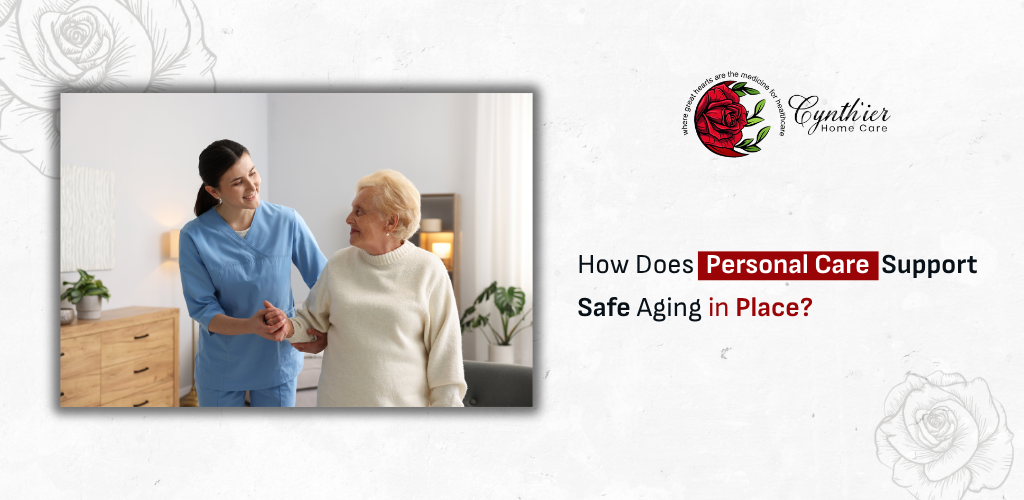
How Does Personal Care Support Safe Aging in Place?

Many older people want to stay in their own homes as they age. We call this aging in place. It feels wonderful to know every squeaky floorboard and exactly how the sun lights up the kitchen. However, as getting older can make everyday tasks more challenging, you might require a little extra help to stay secure. Personal care helps older adults live safely at home by giving them the exact help they need.

What Is Personal Care?

Personal care is provided by a kind person to help with your everyday needs. Our bodies grow differently as we grow older, and sometimes we lose a bit of strength. A caregiver doesn’t need to take away your freedom, but rather provides support directly in your home where you can remain independent, safe and happy.

Caregivers can help with daily needs:

  • Taking a nice, warm, soapy bath.
  • Getting dressed in clean, soft clothes.
  • Brushing your teeth and your hair.
  • Walking safely from room to room.
  • Getting safely in and out of bed.

Keeping You Safe in the Bathroom

Older adults may find the bathroom scary. Wet, slippery floors can be dangerous, making it easy to slip and get hurt. Personal care prevents bad falls from ever occurring. A caregiver assists you in stepping into the shower safely (and always checks the water temperature first). They are nearby to ensure that you don’t slip on the tile. They help you with bathing and using the toilet so you remain totally safe and maintain your dignity every day.

Moving Around the House Safely

Walking around the house can get hard over time. You might trip over a small rug. A caregiver keeps a sharp eye out for hidden dangers like this. They make sure your walking path is clear.

Here are simple ways they help:

  1. Moving shoes away from the clear path.
  2. Helping you stand up very slowly.
  3. Walking beside you into the kitchen.
  4. Making sure rooms have bright lights on.

Eating Healthy Meals Every Day

Cooking can become exhausting, as standing at a hot stove and chopping tough foods takes a toll on tired hands. Because of this, some older adults just skip meals. Personal care workers fix this problem. They plan your meals for the week, shop for fresh groceries, and prepare tasty, nutritious food just for you. Eating well gives you lots of energy. It keeps your body strong and healthy.

Taking the Right Medicine on Time

Doctors give you medicine to keep you well. Managing multiple medications can be confusing, but a home care worker provides essential oversight to prevent missed doses or mistakes. They remind you exactly when it is time to take a pill. They watch how you feel every single day. If you feel sick, they tell your doctor.

Having a Good Friend to Talk To

Being safe is also about your feelings. Living alone can feel very lonely sometimes. Personal care also provides meaningful companionship, bringing a friendly caregiver right to your door who loves to talk and listen to your stories.

They can do fun things, like:

  • Playing fun, silly board games.
  • Watching a funny television show together.
  • Reading a good book out loud.
  • Sitting on the porch chatting happily.

Giving the Whole Family a Break

Family often steps in when an older adult needs help. Daughters and sons work so hard to care for their parents. But family members have jobs and kids, too. They can get very tired and stressed out. Personal care gives family members a break – a chance to truly rest. This is called respite care. When a caregiver is there, the family can finally sleep. They stop worrying so much.

Care Any Time of the Day or Night

Some older adults need help all the time. Bad things can happen late at night. You might need the bathroom in the dark. Personal care can happen at any time. You can have someone there all day and night. Someone is always awake. Someone is always ready to help out.

How Cynthier’s Home Care Can Help

At Cynthier’s Home Care, we treat everyone like family and are dedicated to keeping your loved ones safe. Our team of highly trained professionals provides compassionate care that you can trust.

We offer great services for you:

  1. Personal care for your daily tasks.
  2. Medical support to safely manage pills.
  3. Cooking hot meals for good health.
  4. Friendly visits to stop sadness and loneliness.
  5. Care at all hours of the day.
  6. Respite care to give families a break.

Why Staying at Home Matters

Aging in place allows seniors to stay in their beloved homes with support. Caregivers help with mobility, meals, and hygiene. They ensure the home is secure, form strong friendships, and with proper support, remaining at home is frequently the best option. Cynthier’s Home Care is ready to help your family today. We bring trained care right to your door. We make sure your loved one always feels right at home.

FAQs

Q. How does personal care keep me safe?

Caregivers help you avoid bad falls. They hold your arm when you walk and make sure the bathroom floor is dry and safe.

Q. Can a caregiver help with cooking and medicine?

Yes. They can cook healthy meals for you. They also remind you to take your medicine on time so you stay strong and healthy.