
How to Choose a Home Care Agency With Confidence

How to Choose a Home Care Agency With Confidence

A missed shower, an unopened refrigerator, or a medication reminder that slips through the cracks can change the conversation quickly. What begins as an occasional concern may become a daily worry for families trying to balance work, children, distance, and their loved one’s wish to remain at home. Knowing how to choose a home care agency can bring clarity to a decision that often feels deeply personal.

The right agency does more than send someone to the house. It creates a dependable support system around the person you love, helping them stay safe, comfortable, and connected to the routines that make home feel like home.

Start With Your Loved One’s Daily Needs

Before comparing agencies, take an honest look at where support is needed now and what may be needed in the months ahead. A loved one may be mostly independent but need companionship, transportation, meal preparation, or help keeping up with errands. Another person may need regular assistance with bathing, dressing, mobility, toileting, or medication reminders.

Try to focus on real moments in the day. Is getting in and out of bed becoming difficult? Are meals skipped because cooking feels overwhelming? Has loneliness made someone withdraw from friends, hobbies, or family calls? Are there concerns about falls, driving, or a home that is no longer easy to manage?

A quality home care agency should listen carefully before recommending a schedule. Care may begin with a few weekly visits, daily assistance, overnight support, or around-the-clock care. The best fit depends on your loved one’s abilities, preferences, safety needs, and family support system, not on a one-size-fits-all package.

How to Choose a Home Care Agency That Feels Right

Compassion matters, but it should be supported by clear professional standards. When you speak with an agency, notice whether the team asks thoughtful questions about your loved one as a person. Their favorite meals, preferred morning routine, mobility challenges, cultural preferences, and desire for privacy all belong in a care conversation.

You should also understand exactly what the agency can provide. Non-medical home care commonly includes personal care, companionship, light housekeeping, meal preparation, transportation, errands, and medication reminders. If your loved one requires skilled nursing, wound care, injections, or clinical therapy, ask whether the agency provides those services or can help you coordinate with an appropriate medical provider.

A good agency is direct about its scope of care. That honesty protects your loved one and prevents misunderstandings after services begin.

Ask How Caregivers Are Selected and Supervised

The caregiver relationship is at the heart of home care. A trained caregiver may help with daily tasks, but they are also a familiar presence during vulnerable moments. Ask how the agency recruits, screens, trains, and evaluates caregivers.

Background checks, reference checks, orientation, and ongoing training are reasonable expectations. You may also want to ask whether caregivers receive training related to mobility assistance, fall prevention, dementia support, infection control, personal care, and emergency procedures. The exact training needed depends on your loved one’s situation, but an agency should be able to explain its standards without vague answers.

It is equally important to ask who supervises care and how concerns are handled. If a caregiver is not the right personality fit, can the agency make a change? If a caregiver is sick or unavailable, what is the backup plan? Reliable coverage is not a small detail. For families depending on scheduled care, it is part of peace of mind.

Look for a Customized Care Plan

A written care plan gives everyone a shared understanding of what support will be provided. It should describe the schedule, services, safety considerations, routines, and goals for care. It should also be reviewed when needs change.

Personalized care is especially valuable because independence looks different for every person. One client may want help preparing breakfast but prefer to choose their own clothes and manage their own phone calls. Another may need hands-on assistance with personal hygiene while still wanting to attend church, visit friends, or take a regular trip to the salon.

The goal is not to take over. It is to provide the right amount of help so your loved one can continue living with dignity and confidence.

Ask Clear Questions Before You Commit

You do not need to know every home care term before making calls. A dependable agency should make the process easier, not more confusing. As you compare options, ask questions that reveal how the agency operates when everyday life does not go exactly as planned.

Consider asking:

  • What services can you provide, and what services are outside your scope of care?
  • How do you assess a new client’s needs and create a care plan?
  • How are caregivers screened, trained, matched, and supervised?
  • What happens if a regular caregiver cannot make a scheduled shift?
  • Who can our family contact after hours if an issue arises?
  • How do you communicate changes, concerns, or observations with family members?
  • What are the rates, minimum visit requirements, cancellation policies, and payment options?

Listen for specifics. An agency that can explain its process clearly is more likely to give your family the dependable communication you need once care begins.

Pay Attention to Communication and Family Involvement

Home care works best when the client, family, caregivers, and agency stay connected. Some older adults want an adult child involved in every update. Others value privacy and want to remain the primary decision-maker. Both preferences deserve respect.

Ask how the agency documents care and shares relevant updates. Families should know how to reach someone with questions, how urgent concerns are escalated, and how changes in condition are communicated. At the same time, professional caregivers should protect confidential information and honor the client’s independence whenever possible.

Good communication is not just frequent communication. It is timely, respectful, and focused on what the family needs to know to make informed decisions.

Consider Compatibility, Not Just Credentials

Credentials and reliability are essential, but personality matters too. A caregiver may be highly qualified and still not be the best match for someone who values quiet conversation, enjoys a particular hobby, speaks another language, or feels more comfortable with a caregiver of a certain gender.

Talk openly about preferences from the beginning. There is no need to apologize for wanting someone who treats your loved one with patience and warmth. Care is personal. A compatible caregiver can make it easier for a reluctant parent or spouse to accept help and can turn a difficult transition into a reassuring routine.

If your loved one is living with dementia, anxiety, or grief, consistency may matter even more. Seeing familiar faces can reduce confusion and help build trust over time. Still, flexibility matters too. The agency should have a thoughtful plan for coverage when a regular caregiver is unavailable.

Understand Cost Without Losing Sight of Value

Cost is a practical and necessary part of choosing care. Request a clear explanation of hourly rates, minimum shift lengths, holiday rates, overnight arrangements, and any additional fees. Ask whether services can be adjusted as needs change so you are not paying for more care than is necessary.

The least expensive option is not always the best value. An agency with careful caregiver screening, responsive supervision, dependable scheduling, and customized planning may prevent costly disruptions later. On the other hand, a family with limited needs may find that a smaller number of weekly hours provides the right balance of support and affordability.

If several relatives are involved, discuss the budget and care priorities early. Clear family conversations can reduce stress and help everyone focus on the same goal: keeping your loved one safe, respected, and as independent as possible.

Trust What You See and Hear

During your first conversation, pay attention to the experience itself. Were your questions welcomed? Did the agency speak respectfully about older adults? Did they make promises they could explain, or did they rush toward a sale?

Trust is built through small signs of care: listening without interrupting, explaining options in plain language, being transparent about limitations, and treating your family’s concerns as valid. For families in Dunwoody and greater Atlanta, Cynthier’s Home Care believes dependable care should feel professional, personal, and rooted in love.

Choosing help at home can bring mixed emotions, even when you know it is the right step. Give yourself permission to ask questions, involve your loved one in the decision, and choose an agency that sees more than a list of tasks. The right care can give your family room to breathe while helping the person you love continue to feel safe, valued, and at home.

What Non Medical Home Care Means for Families

What Non Medical Home Care Means for Families

A missed shower, an empty refrigerator, or a forgotten appointment can be the first sign that a parent needs more support at home. Understanding the non medical home care meaning can help families respond with compassion before everyday challenges become a crisis. This type of care provides practical, personal assistance so a loved one can continue living safely and comfortably in the place that feels most familiar.

For many families in Dunwoody and the greater Atlanta area, the question is not whether they love their parent or spouse enough to help. It is how to provide consistent support when work, children, distance, and personal responsibilities make it difficult to be there every day. Non-medical home care offers a dependable, family-centered answer.

What Does Non Medical Home Care Mean?

Non-medical home care is hands-on support with daily living activities, delivered in a person’s home by a professional caregiver. Its purpose is to help someone maintain dignity, comfort, safety, and independence without moving into an assisted living community or nursing facility before it is truly necessary.

The care is called “non-medical” because it does not replace a physician, registered nurse, therapist, or emergency medical provider. Caregivers do not diagnose illnesses, perform medical procedures, or make clinical decisions. Instead, they assist with the routines that can become harder with age, limited mobility, memory changes, disability, or recovery from an illness or hospital stay.

That distinction matters, but it does not make the care less meaningful. A caregiver who helps a client bathe safely, prepares a nourishing meal, offers a steady arm while walking, and provides warm companionship may make the difference between a difficult day and a secure, fulfilling one.

What Non-Medical Care Can Include

Every care plan should reflect the individual, not a generic checklist. One person may need a few hours of companionship each week. Another may need daily personal care or around-the-clock supervision and support. The right level of care depends on the person’s abilities, health needs, home environment, preferences, and family support system.

Non-medical home care often includes help with personal care, such as bathing, dressing, grooming, toileting, and mobility assistance. These are sensitive tasks, and they should always be provided with patience, privacy, and respect. The goal is not to take over what a person can still do. It is to offer the right amount of assistance so they can feel clean, confident, and safe.

Caregivers can also support the household routines that make home life work. This may include meal planning and preparation, light housekeeping, laundry, grocery shopping, and errands. A balanced meal on the table and a clear path through the home can reduce stress for both the client and the family.

Medication reminders are another common service. A caregiver may remind a client that it is time to take medications and help maintain a familiar routine. However, the exact level of medication assistance depends on the care plan, the medication involved, and applicable rules. Families should be clear about what a caregiver can and cannot do, especially when a loved one has complicated medical needs.

Transportation and escort support can help clients attend appointments, visit friends, pick up prescriptions, or enjoy activities in the community. For a senior who has stopped driving, reliable transportation can preserve both independence and social connection.

Just as important, caregivers provide companionship. Conversation over coffee, a card game, a walk outside, or simply having someone present can ease loneliness. This support is especially valuable when family members live far away or cannot visit as often as they would like.

Non-Medical Home Care Versus Home Health Care

Families often use the terms home care and home health care interchangeably, but they are not the same service.

Non-medical home care focuses on everyday support and personal assistance. It is usually arranged privately through a home care agency or paid for by the client and family, depending on available benefits and coverage. The schedule can often be flexible, ranging from occasional visits to daily or 24-hour care.

Home health care is clinical care ordered by a physician and delivered by licensed medical professionals, such as nurses or therapists. It may involve wound care, injections, therapy services, medical monitoring, or other skilled treatments. Medicare and insurance may cover qualifying home health services under specific conditions.

Sometimes a loved one benefits from both. For example, a person recovering from surgery may receive short-term skilled nursing or physical therapy while also receiving non-medical assistance with bathing, meals, transportation, and household tasks. Coordinating these services can give families a more complete support system.

When Is It Time to Consider Care at Home?

There is rarely one single moment when a family knows it is time. More often, small changes add up. You may notice your loved one wearing the same clothes for several days, losing weight, missing appointments, struggling to get in and out of the shower, or withdrawing from favorite activities.

A fall or hospital visit can also bring hidden needs into view. Even when someone is medically stable enough to return home, they may not be ready to manage every part of daily life alone. Temporary home care can provide reassurance during recovery, while ongoing care can help when support needs continue.

Care is also worth considering when a family caregiver is overwhelmed. Loving someone does not mean one person must carry every responsibility alone. If caregiving is affecting your sleep, work, health, or relationship with your loved one, additional help can protect the well-being of the whole family.

How Personalized Care Protects Independence

Some older adults resist home care because they fear losing control. That concern deserves respect. The best care does not make a person feel managed. It helps them remain involved in the choices, routines, and relationships that shape their life.

A personalized plan may mean assisting with a morning shower while allowing a client to choose their own clothing. It may mean preparing favorite meals instead of imposing a new routine, or accompanying someone to the grocery store rather than shopping without them. These details protect identity and dignity.

Consistency matters, too. A familiar caregiver can learn how a client likes their coffee, what helps them feel calm, and when they prefer quiet time. Over time, that relationship can build trust and help caregivers notice meaningful changes in mood, appetite, mobility, or daily functioning that families may want to discuss with a medical provider.

At Cynthier’s Home Care, this relationship-centered approach means providing professional support while caring for each client like family – because we do it for love.

Questions to Ask Before Choosing a Home Care Provider

The right agency should make your family feel informed, not pressured. Ask how caregivers are screened, trained, supervised, and matched with clients. Find out whether the agency creates a written, customized care plan and how the plan is updated when needs change.

It is also helpful to ask about scheduling reliability, backup coverage if a caregiver cannot attend a shift, and communication with family members. If your loved one needs mobility support, memory care assistance, or overnight care, be specific about those needs from the beginning. Clear expectations help create safer, more consistent care.

Finally, include your loved one in the conversation whenever possible. Even if they need significant help, their preferences should guide the plan. Listening carefully can turn a difficult transition into a supportive partnership.

The meaning of non-medical home care is ultimately simple: compassionate help with the ordinary moments that allow someone to keep living with comfort, familiarity, and dignity. When support is tailored to the person and delivered with kindness, home can remain not just where they live, but where they feel most like themselves.

Personal Care

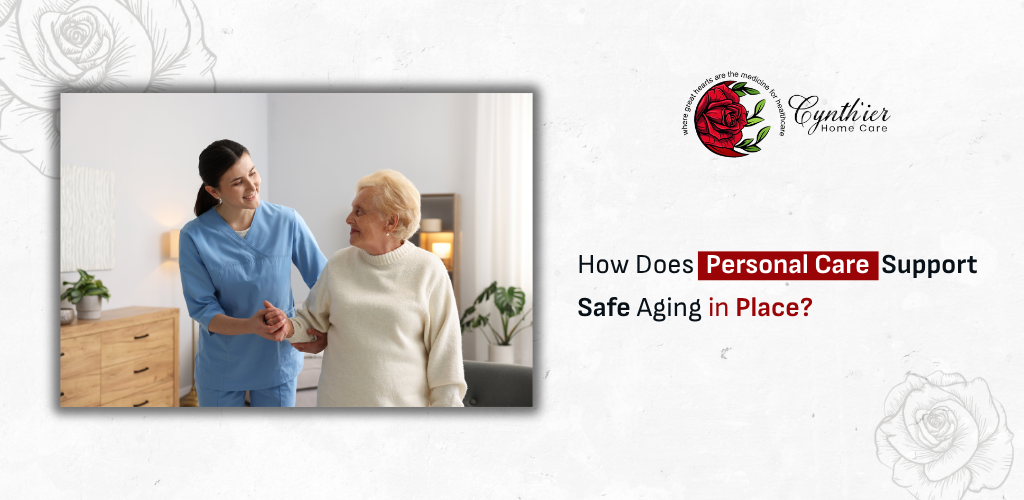
How Does Personal Care Support Safe Aging in Place?

Many older people want to stay in their own homes as they age. We call this aging in place. It feels wonderful to know every squeaky floorboard and exactly how the sun lights up the kitchen. However, as getting older can make everyday tasks more challenging, you might require a little extra help to stay secure. Personal care helps older adults live safely at home by giving them the exact help they need.

What Is Personal Care?

Personal care is provided by a kind person to help with your everyday needs. Our bodies grow differently as we grow older, and sometimes we lose a bit of strength. A caregiver doesn’t need to take away your freedom, but rather provides support directly in your home where you can remain independent, safe and happy.

Caregivers can help with daily needs:

  • Taking a nice, warm, soapy bath.
  • Getting dressed in clean, soft clothes.
  • Brushing your teeth and your hair.
  • Walking safely from room to room.
  • Getting safely in and out of bed.

Keeping You Safe in the Bathroom

Older adults may find the bathroom scary. Wet, slippery floors can be dangerous, making it easy to slip and get hurt. Personal care prevents bad falls from ever occurring. A caregiver assists you in stepping into the shower safely (and always checks the water temperature first). They are nearby to ensure that you don’t slip on the tile. They help you with bathing and using the toilet so you remain totally safe and maintain your dignity every day.

Moving Around the House Safely

Walking around the house can get hard over time. You might trip over a small rug. A caregiver keeps a sharp eye out for hidden dangers like this. They make sure your walking path is clear.

Here are simple ways they help:

  1. Moving shoes away from the clear path.
  2. Helping you stand up very slowly.
  3. Walking beside you into the kitchen.
  4. Making sure rooms have bright lights on.

Eating Healthy Meals Every Day

Cooking can become exhausting, as standing at a hot stove and chopping tough foods takes a toll on tired hands. Because of this, some older adults just skip meals. Personal care workers fix this problem. They plan your meals for the week, shop for fresh groceries, and prepare tasty, nutritious food just for you. Eating well gives you lots of energy. It keeps your body strong and healthy.

Taking the Right Medicine on Time

Doctors give you medicine to keep you well. Managing multiple medications can be confusing, but a home care worker provides essential oversight to prevent missed doses or mistakes. They remind you exactly when it is time to take a pill. They watch how you feel every single day. If you feel sick, they tell your doctor.

Having a Good Friend to Talk To

Being safe is also about your feelings. Living alone can feel very lonely sometimes. Personal care also provides meaningful companionship, bringing a friendly caregiver right to your door who loves to talk and listen to your stories.

They can do fun things, like:

  • Playing fun, silly board games.
  • Watching a funny television show together.
  • Reading a good book out loud.
  • Sitting on the porch chatting happily.

Giving the Whole Family a Break

Family often steps in when an older adult needs help. Daughters and sons work so hard to care for their parents. But family members have jobs and kids, too. They can get very tired and stressed out. Personal care gives family members a break – a chance to truly rest. This is called respite care. When a caregiver is there, the family can finally sleep. They stop worrying so much.

Care Any Time of the Day or Night

Some older adults need help all the time. Bad things can happen late at night. You might need the bathroom in the dark. Personal care can happen at any time. You can have someone there all day and night. Someone is always awake. Someone is always ready to help out.

How Cynthier’s Home Care Can Help

At Cynthier’s Home Care, we treat everyone like family and are dedicated to keeping your loved ones safe. Our team of highly trained professionals provides compassionate care that you can trust.

We offer great services for you:

  1. Personal care for your daily tasks.
  2. Medical support to safely manage pills.
  3. Cooking hot meals for good health.
  4. Friendly visits to stop sadness and loneliness.
  5. Care at all hours of the day.
  6. Respite care to give families a break.

Why Staying at Home Matters

Aging in place allows seniors to stay in their beloved homes with support. Caregivers help with mobility, meals, and hygiene. They ensure the home is secure, form strong friendships, and with proper support, remaining at home is frequently the best option. Cynthier’s Home Care is ready to help your family today. We bring trained care right to your door. We make sure your loved one always feels right at home.

FAQs

Q. How does personal care keep me safe?

Caregivers help you avoid bad falls. They hold your arm when you walk and make sure the bathroom floor is dry and safe.

Q. Can a caregiver help with cooking and medicine?

Yes. They can cook healthy meals for you. They also remind you to take your medicine on time so you stay strong and healthy.