
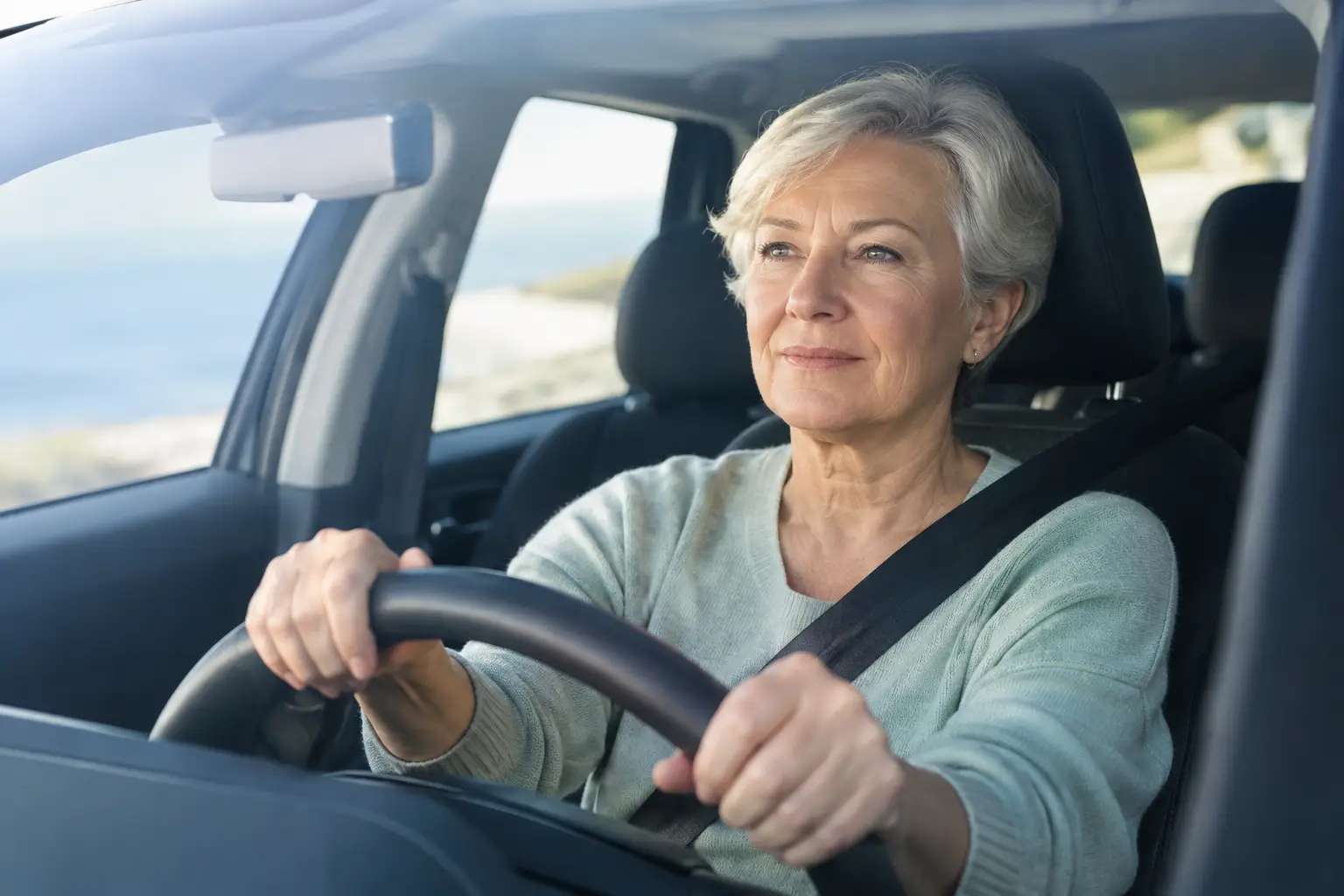
A small dent in the garage, a missed turn on a familiar route, or a loved one who suddenly avoids driving after dark can bring a difficult question to the surface: when should seniors stop driving? For many older adults, driving represents freedom, routine, and connection. Giving up the keys can feel deeply personal, which is why families need to approach the decision with compassion as well as care for safety.
There is no birthday or single diagnosis that automatically means a person must stop driving. Many seniors remain safe, attentive drivers well into later life. The better question is whether their current abilities, health, and driving habits allow them to travel safely – for themselves, their passengers, pedestrians, and everyone else on the road.
When Should Seniors Stop Driving? Look at Ability, Not Age
Age can bring changes in vision, hearing, reaction time, mobility, and memory, but those changes do not happen at the same pace for everyone. A 78-year-old who sees well, follows traffic rules, and makes sound decisions behind the wheel may be safer than someone much younger who is distracted or impaired.
The decision becomes more urgent when changes begin affecting real driving tasks. Can your loved one read road signs in time? Turn their head to check blind spots? Respond calmly when another driver brakes suddenly? Remember how to get home from a familiar store? These everyday abilities matter more than a number on a birthday card.
It also helps to consider the driving environment. Someone may still drive safely during daylight on familiar local streets but no longer be comfortable on highways, in heavy Atlanta traffic, or in rain and darkness. Restricting driving can be a reasonable temporary or longer-term step when full retirement from driving is not yet necessary.
Warning Signs Families Should Take Seriously
One isolated mistake does not always mean a loved one needs to stop driving immediately. Everyone can have an off day. A pattern of near misses, confusion, or poor judgment deserves attention, especially when it is getting worse.
Watch for changes such as:
- New dents, scrapes, damaged mirrors, or unexplained repairs to the car
- Tickets, warnings, or comments from police officers, neighbors, or other drivers
- Frequent close calls, drifting between lanes, rolling through stop signs, or braking too late
- Getting lost on routes your loved one has driven for years
- Trouble judging speed, distance, turns, or gaps in traffic
- Anxiety, anger, or confusion while driving, particularly in unfamiliar areas
- Avoiding night driving, busy intersections, highways, or bad weather because driving feels overwhelming
- Medication side effects such as drowsiness, dizziness, blurred vision, or slowed thinking
Pay attention to what your loved one says, too. A comment like, “The roads are getting harder to follow,” may be an opening for a gentle conversation. It can take courage for an older adult to admit that driving no longer feels as easy as it once did.
Health Changes That Can Affect Driving Safety
Certain medical conditions can make driving more challenging, particularly when symptoms are not well controlled. Vision conditions such as cataracts, glaucoma, and macular degeneration may affect the ability to see signs, people, and hazards. Hearing loss can make it harder to notice sirens, horns, or changes in the vehicle.
Arthritis, Parkinson’s disease, stroke recovery, neuropathy, and reduced strength can limit a driver’s ability to turn the steering wheel, press pedals quickly, or look over a shoulder. Diabetes may lead to sudden low blood sugar or vision changes. Sleep problems can cause dangerous daytime fatigue.
Memory loss and cognitive decline require especially thoughtful attention. Forgetting a destination once does not necessarily mean a person is unsafe. However, repeated disorientation, poor judgment at intersections, confusion about traffic signals, or trouble managing multiple steps at once can make driving risky. A physician or qualified driving rehabilitation specialist can help assess whether continued driving is appropriate.
Medication changes should never be overlooked. Even common prescriptions and over-the-counter sleep aids can affect alertness or coordination. Encourage your loved one to ask their doctor or pharmacist whether a new medication could interfere with driving. They should not stop a prescribed medicine without professional guidance.
How to Start the Conversation With Respect
Families often wait because they fear an argument or do not want to hurt a loved one’s feelings. But waiting until a serious accident occurs can leave everyone with more regret. Start the discussion early, before an immediate crisis forces a decision.
Choose a calm, private time rather than raising the subject after a tense drive or during a family gathering. Speak from concern, not control. Instead of saying, “You are too old to drive,” try, “I love you, and I have noticed that driving seems more stressful lately. I want us to figure out what would help you feel safe and stay connected.”
Use specific observations rather than broad accusations. Mention the recent missed stop sign, the difficulty seeing at night, or the times they have asked for directions home. Give your loved one time to respond. They may be embarrassed, defensive, relieved, or all three.
When possible, invite a trusted doctor, occupational therapist, or driving specialist into the process. An objective professional opinion can feel less personal than hearing concerns only from an adult child. In Georgia, families can also discuss local transportation options and practical alternatives before asking a loved one to make a major change.
Consider a Driving Evaluation Before Making a Final Decision
A comprehensive driving evaluation can provide useful clarity when the situation is uncertain. These assessments generally look at vision, reaction time, physical movement, attention, judgment, and real-world driving skills. The evaluator may recommend strategies such as driving only during daylight, avoiding highways, using adaptive equipment, taking a refresher course, or retiring from driving.
A fair evaluation can preserve dignity because it focuses on ability rather than assumptions. It also gives families a plan grounded in current needs. Still, if there has been a serious accident, repeated dangerous behavior, or a medical professional has advised against driving, safety should come first while further steps are arranged.
Replacing the Ride Without Taking Away Independence
Stopping or limiting driving should not mean stopping life. The biggest fear for many seniors is becoming isolated, dependent, or unable to keep appointments and routines. Families can ease the transition by building transportation support before the car keys are put away.
Think through the week as it actually happens: medical appointments, grocery shopping, hair appointments, faith services, visits with friends, pharmacy pickups, and favorite community activities. Coordinate rides among relatives when possible, and look into senior transportation programs, ride services, delivery options, and public transit that your loved one is comfortable using.
In-home care can also make a meaningful difference. A caregiver can provide transportation and errand support, accompany a senior to appointments, help with grocery shopping, prepare meals, and offer companionship at home. This support helps an older adult remain involved in daily life without feeling that every need depends on a busy family member. At Cynthier’s Home Care, personalized care plans can include transportation and everyday assistance that protect both safety and independence.
When Immediate Action Is Needed
Some situations call for a faster response. If your loved one has caused a serious crash, becomes lost for a long period, drives while confused or impaired, experiences fainting episodes, or has been told by a medical professional not to drive, do not treat the concern as a future conversation. Arrange safe transportation right away and contact the appropriate health care professional for guidance.
If emotions are high, avoid a power struggle at the car. Focus on immediate safety, then revisit the longer conversation when everyone is calmer. Families may need to secure the vehicle or keys temporarily, but this step is best handled with honesty and sensitivity whenever possible.
Losing the ability to drive can be a real loss, and it deserves to be acknowledged as one. With patience, reliable support, and a plan that keeps favorite routines within reach, your loved one can continue living with dignity, connection, and the reassurance that they are cared for like family.






No comment