

A shower that once took 20 minutes can become the most stressful part of a senior’s day. A slippery bathroom floor, a stiff knee, dizziness when standing, or simple fear of falling can turn a familiar routine into a source of worry for the entire family. In-home bathing assistance for seniors provides practical help with this personal task while protecting the comfort, privacy, and dignity that matter so much.
For many older adults, accepting help with bathing is not easy. It can feel like a loss of independence, especially for someone who has managed personal care alone for decades. The right support is never rushed or impersonal. It is patient, respectful, and shaped around the individual’s preferences, routines, mobility, and comfort level.
Why Bathing Becomes Harder With Age
Bathing requires more physical ability than many people realize. A person may need to step over a tub wall, stand on a wet surface, reach for soap or shampoo, bend to wash lower legs and feet, and dry off before getting dressed. Arthritis, weakness, limited range of motion, poor balance, vision changes, Parkinson’s disease, dementia, or recovery from an illness can make one or more of these steps difficult.
Falls are a serious concern, but they are not the only reason families seek help. Some seniors begin avoiding bathing because it is exhausting, painful, or embarrassing to ask a relative for assistance. Others may forget whether they have bathed, wear the same clothing repeatedly, or struggle to manage hair and skin care. These changes can affect health, confidence, and social connection.
A family member may notice subtle signs first: damp towels left untouched for days, unexplained body odor, increased reluctance to leave the house, or a loved one saying they are “fine” while looking unsteady in the bathroom. These moments do not mean a senior has failed at independence. They often mean a little thoughtful support could make daily life safer and more manageable.
What In-Home Bathing Assistance for Seniors Includes
Personal care support should be customized, not assumed. One person may only need someone nearby while stepping into the shower. Another may need hands-on help with washing, drying, grooming, dressing, and safe transfers. The goal is to provide only the assistance needed, while encouraging the person to do what they can comfortably do for themselves.
A caregiver may help prepare the bathroom, lay out clean clothes and toiletries, check that the room is warm, and make sure a stable chair, grab bar, or nonslip surface is available. During bathing, they can offer steadying support, help wash hard-to-reach areas, rinse shampoo, dry skin carefully, and assist with applying lotion or deodorant if requested.
The service can also include grooming tasks that help a loved one feel put together and like themselves. This may involve hair care, shaving assistance when appropriate, oral care reminders, nail care coordination, or choosing comfortable clothing. These details may seem small, but they can make a meaningful difference in how a person feels each day.
Professional caregivers understand that personal care involves trust. They should explain what they are doing, ask permission before providing hands-on help, preserve modesty with towels or robes, and respect the client’s preferred routines. Some seniors prefer a morning shower; others feel more comfortable with an evening bath or a sponge bath on days when a full shower is too tiring. Care should fit the person, not the other way around.
Safety Matters, but So Does Dignity
It is tempting to focus only on fall prevention, and bathroom safety is essential. Yet bathing support works best when safety and dignity are treated as equal priorities. A senior who feels embarrassed, rushed, or controlled may resist care, even when they genuinely need it.
A calm caregiver can make the experience less intimidating by moving at a comfortable pace and offering choices along the way. Would you like to wash your face yourself? Would you prefer your blue towel or the white one? Would you like help getting dressed now, or would you like a few minutes to rest? These simple questions preserve a sense of control.
Privacy is equally important for families. Adult children often want to help but may find intimate care difficult for both themselves and their parent. Bringing in a trusted caregiver can relieve that strain. It allows the family member to return to being a daughter, son, spouse, or loved one rather than carrying every caregiving responsibility alone.
When a Shower Is Not the Best Choice
A full shower is not always necessary or advisable every day. Skin can become dry and fragile with age, and some seniors tire easily after standing or transferring. Depending on a person’s health, preferences, and physician guidance, a partial bath, seated shower, or bed bath may be the more comfortable option.
This is where personalized care matters. A senior recovering from surgery may have specific bathing restrictions. Someone living with dementia may become anxious around running water or unfamiliar steps in the routine. A person with limited mobility may need equipment or a different approach to reduce strain. Caregivers can adapt the routine while families remain attentive to changes that should be discussed with a medical professional.
Non-medical home care does not replace nursing or medical treatment. If a caregiver or family member notices a new rash, open area of skin, sudden weakness, confusion, pain, or a major decline in mobility, the appropriate next step is to contact the senior’s health care provider. Thoughtful personal care includes knowing when a concern needs medical attention.
Creating a Bathroom Routine That Feels Familiar
Consistency can make bathing easier, especially for seniors who feel anxious about changes or live with memory loss. Keeping favorite soap, shampoo, towels, and clothing within reach can provide comfort. Playing familiar music, using a preferred scent, or following the same order of steps can help the routine feel less clinical.
The bathroom itself should support safe movement. Good lighting, a clear path, nonslip mats that stay secure, a shower chair, and properly installed grab bars may reduce risks. Loose rugs, clutter, unstable towel racks, and stepping over a high tub wall can create hazards. Families do not need to make every change at once, but addressing the most immediate risks can bring welcome peace of mind.
It also helps to plan bathing for the time of day when a loved one has the most energy. Some people are steadier in the morning, while others need time to loosen stiff joints before attempting a shower. There is no single schedule that works for every household.
Choosing Support Families Can Trust
When considering personal care, families should look beyond whether someone can complete the task. They should ask whether the caregiver will be dependable, respectful, trained, and willing to follow a customized plan. The relationship matters because bathing assistance is personal, and trust grows through consistency, kindness, and clear communication.
A good care plan considers mobility needs, preferred bathing times, modesty concerns, favorite products, cultural preferences, and how much help the senior wants. It should also allow room to change. A loved one who initially needs assistance twice a week may later benefit from daily support, or may only need occasional help after a temporary illness.
At Cynthier’s Home Care, personal care is approached like family care: with patience, professionalism, and love. Families in Dunwoody and the greater Atlanta area can arrange support that respects a loved one’s routine while helping them remain safe and comfortable at home.
The best time to ask for help is often before a fall, a painful struggle, or a crisis forces the decision. A caring hand, a steady presence, and a familiar routine can help a senior begin the day feeling clean, confident, and still very much at home.


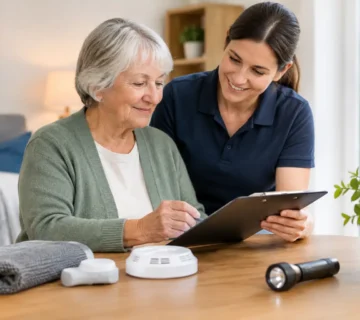



[…] falls. Safety equipment can reduce risk while allowing a senior to participate more independently. A shower chair, nonslip bath mat, handheld shower head, grab bars installed securely in the right locations, and a […]