
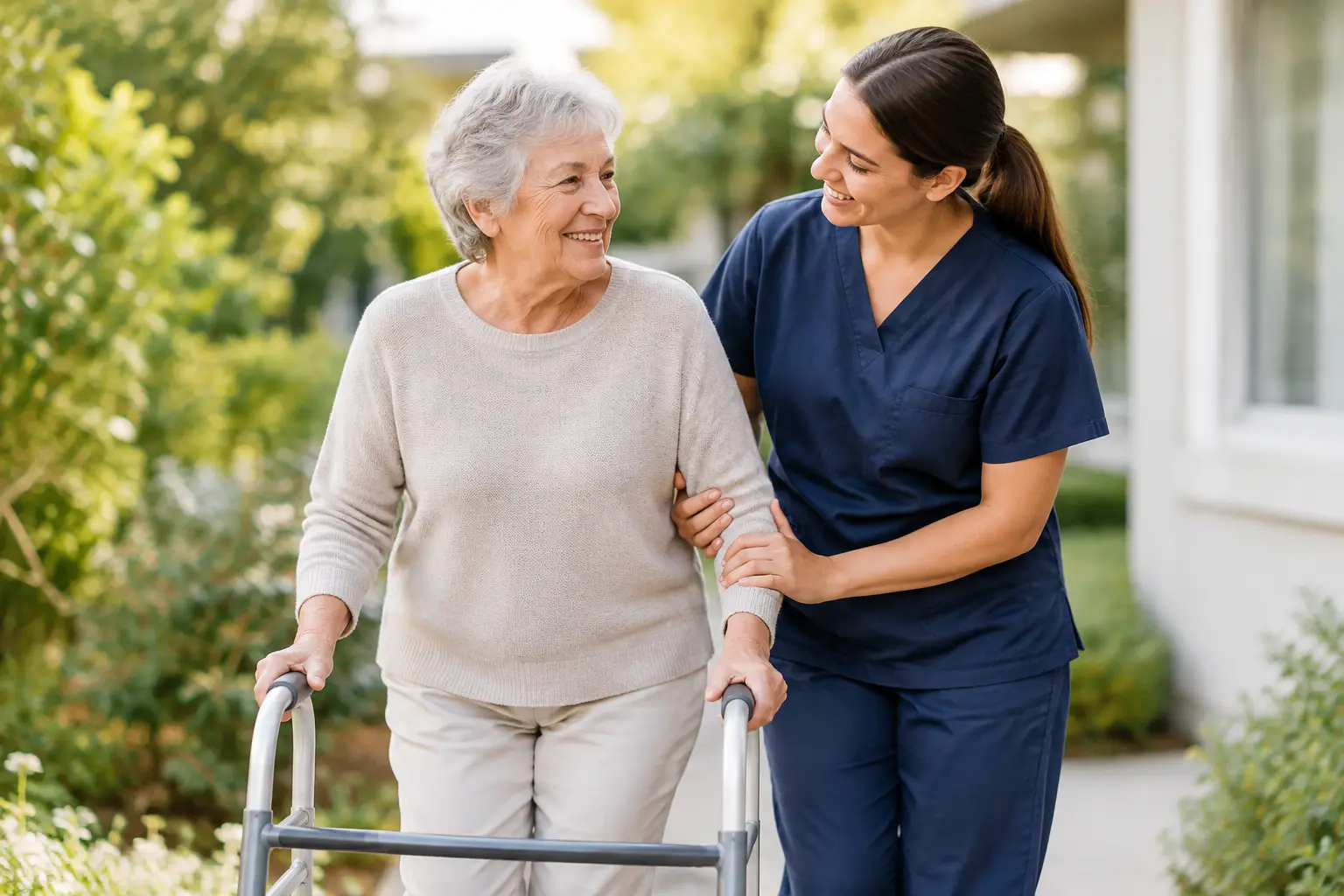
A hesitation before standing up, a hand reaching for a countertop, or an unexplained bruise can change how a family sees an ordinary day. Senior mobility assistance is not about taking control away from an older adult. It is about making everyday movement safer, more comfortable, and more possible in the home they know and love.
For many families in Dunwoody and greater Atlanta, the concern builds gradually. A loved one may still be sharp, social, and determined to remain independent, yet stairs become harder, errands feel overwhelming, or bathing no longer feels safe without someone nearby. Thoughtful support can protect both physical safety and personal dignity without making a senior feel rushed, watched, or displaced.
What Senior Mobility Assistance Looks Like at Home
Mobility support is often misunderstood as simply helping someone walk from one room to another. In reality, safe movement affects nearly every part of daily life: getting out of bed, using the bathroom, preparing a meal, stepping into the shower, reaching the mailbox, and getting in and out of a car.
A trained caregiver can provide steady, respectful assistance with these routines while allowing the client to do what they can for themselves. Sometimes that means offering an arm while walking. Other times, it means staying close during a transfer from a chair to a walker, carrying laundry down the stairs, or helping arrange the home so frequently used items are within easy reach.
The right level of help depends on the person. Someone recovering strength after a hospital stay may need short-term daily support. Another person may need a caregiver only for bathing, transportation, or appointments. A senior with more significant limitations may benefit from regular help throughout the day or around-the-clock care. The goal is not to apply one solution to every household. It is to create a care routine that respects each person’s abilities, habits, and wishes.
Why Safe Movement Matters So Much
Falls can have serious consequences for older adults, but the fear of falling can also shrink a person’s life long before a fall occurs. A senior who no longer feels confident walking to the kitchen may skip meals. Someone worried about getting into the shower may postpone bathing. When driving becomes difficult, isolation can quietly replace familiar social routines.
Mobility assistance helps address that uncertainty with calm, consistent support. A dependable caregiver can help a loved one move at a comfortable pace, use mobility equipment properly, and avoid unnecessary risks during daily tasks. Just as meaningful, the caregiver can offer encouragement without pressure. Being told to “be careful” is very different from having a patient person nearby who understands when to pause, when to offer a hand, and when to let someone take the lead.
For families, this support can ease the constant worry that comes from being unable to be present every hour of the day. Adult children often balance work, children, appointments, and their own households while trying to check in on a parent. A caring professional can provide reliable help and companionship, giving the family greater confidence that their loved one is not facing daily challenges alone.
Everyday Tasks That May Signal a Need for Help
A major fall or health event is not the only reason to consider in-home mobility support. Small changes can be just as meaningful, especially when they become a pattern. Families may notice that a loved one holds onto furniture while walking, avoids certain rooms, takes much longer to get dressed, or stops going out for activities they once enjoyed.
Other signs may include missed meals because standing at the stove is tiring, difficulty carrying groceries, trouble getting up from the toilet or a favorite chair, or increasing reluctance to attend medical appointments. These changes do not automatically mean a senior can no longer live at home. Often, they mean the home routine needs more support.
It can be helpful to have a kind, direct conversation before a crisis forces a decision. Rather than framing help as a loss of independence, focus on what support would make life easier. A loved one may be more open to assistance with errands or showering than to the broad idea of “needing care.” Listening matters. Seniors deserve a voice in decisions about their own homes and routines.
Creating a Safer Home Without Making It Feel Clinical
A home does not need to look like a medical facility to be safer. Small, practical changes can reduce hazards while preserving the comfort and familiarity that matter so much. Families can begin by looking at pathways through the house. Clear floors, good lighting, stable furniture, and commonly used items placed within reach can make a real difference.
Consider these areas carefully:
- Bathrooms, where grab bars, non-slip surfaces, and a shower chair may support safer personal care.
- Stairs and entryways, where secure railings, improved lighting, and clear steps can reduce uncertainty.
- Bedrooms, where a clear path to the bathroom and a bedside light can help during nighttime trips.
- Kitchens, where lighter cookware, seated meal preparation, and organized storage can reduce strain.
Mobility devices can also be valuable, but they should fit the person’s needs and be used correctly. A cane, walker, wheelchair, or transfer device is not automatically the right answer just because it is available. Families should follow guidance from the senior’s health care provider or therapy team when selecting equipment. In-home caregivers can then help reinforce safer day-to-day use within the limits of their non-medical role.
The Difference Between Helping and Taking Over
Well-intended family members sometimes step in so quickly that an older adult has little chance to participate. This may feel efficient, especially on a busy morning, but doing everything for a loved one can leave them feeling discouraged or invisible. Good mobility support finds the middle ground.
A caregiver may lay out clothing, provide balance support, and remain nearby while the client dresses independently. They may prepare ingredients, then invite the client to help with a familiar meal from a seated position. They may accompany a senior to an appointment, manage the driving and walking distances, and still let that person choose where to eat lunch afterward.
These moments protect more than routine. They preserve confidence, preferences, and identity. Independence is not always the ability to do every task alone. It can mean having the right help to continue making choices and participating in one’s own life.
When Family Care Is Not Enough
Family care is often given generously and with love, but love does not remove the physical and emotional demands of caregiving. Assisting with transfers, bathing, and repeated mobility needs can be difficult for an untrained spouse or adult child. It may also create tension when a loved one resists help from family but accepts it more comfortably from a compassionate professional.
In-home care offers an additional layer of support, not a replacement for family connection. Caregivers can assist with personal care, meal preparation, medication reminders, light housekeeping, transportation, and companionship while family members spend more time being a daughter, son, spouse, or friend. That balance can make time together feel less stressful and more meaningful.
At Cynthier’s Home Care, care plans are shaped around the client’s daily routine, preferences, and changing needs. Whether assistance is needed for a few hours a week or on a more consistent schedule, the focus remains on dependable care delivered with patience, safety, and respect.
A Gentle Next Step for Families
The best time to discuss mobility support is often before a fall, an emergency room visit, or caregiver exhaustion makes the choice feel urgent. Start with one concern: the shower, the stairs, driving, loneliness, or getting safely to appointments. From there, it becomes easier to identify the kind of support that would bring relief.
A loved one can remain at home without having to manage every challenge alone. With thoughtful assistance, familiar routines can continue, confidence can grow, and home can remain a place of comfort, dignity, and love.




No comment